Charting loyalty tier progression paths to sustain capital across interconnected digital gambling networks
Viktor Lehmann · Jul 23, 2026
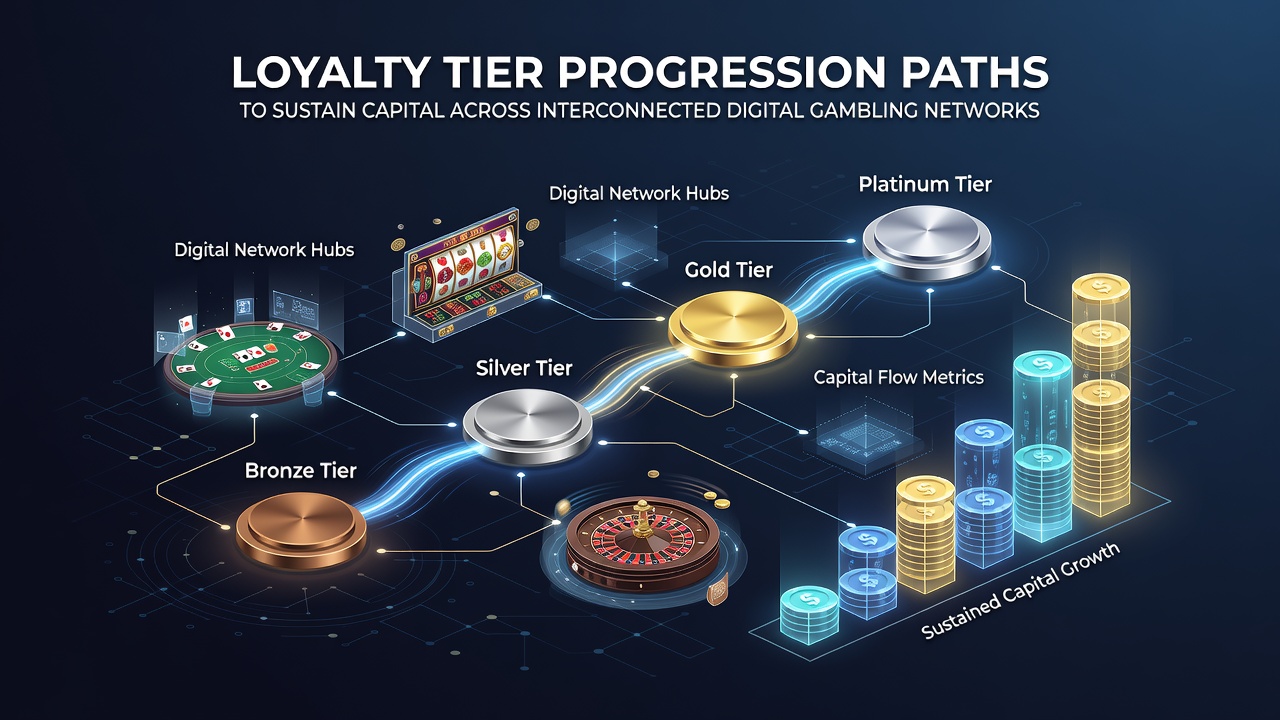
Charting loyalty tier progression paths to sustain capital across interconnected digital gambling networks
Interconnected digital gambling networks link multiple platforms through shared loyalty systems, allowing participants to move points and status levels between sites without starting over at each one. These arrangements create unified progression paths where activity on one network contributes directly to advancement on others. Data from regulatory filings shows that such integrations have grown steadily, with operators consolidating reward structures to retain activity across broader user bases.
Core mechanics of shared tier systems
Tier advancement depends on tracked wagering volume, often measured in points earned per dollar bet, and these points carry over within the connected ecosystem. Lower tiers typically require modest cumulative activity while higher ones demand sustained participation over defined periods. Observers note that many networks reset qualification windows annually, yet accumulated status provides ongoing access to scaled rewards even during transition months.
Benefits scale with each level and commonly include cashback percentages, bonus credits, and accelerated point earnings that feed back into available capital. Research indicates these returns function as direct offsets to net expenditure, enabling longer sessions when users allocate rewards strategically rather than treating them as isolated perks. In July 2026 several major operators expanded cross-platform agreements, allowing tier status earned on one site to unlock equivalent benefits on partner networks within the same month of the update.
Progression thresholds and capital retention
Entry-level tiers grant basic cashback rates around one to two percent of losses, while mid-tier advancement raises that figure and adds deposit matches or fee waivers. Upper tiers frequently deliver five to seven percent cashback along with dedicated account management that can accelerate fund access. Figures from industry reports reveal that participants who reach mid-tier status within six months maintain bankrolls approximately fifteen percent longer than those remaining at entry levels, primarily because reward credits replenish balances before external deposits become necessary.
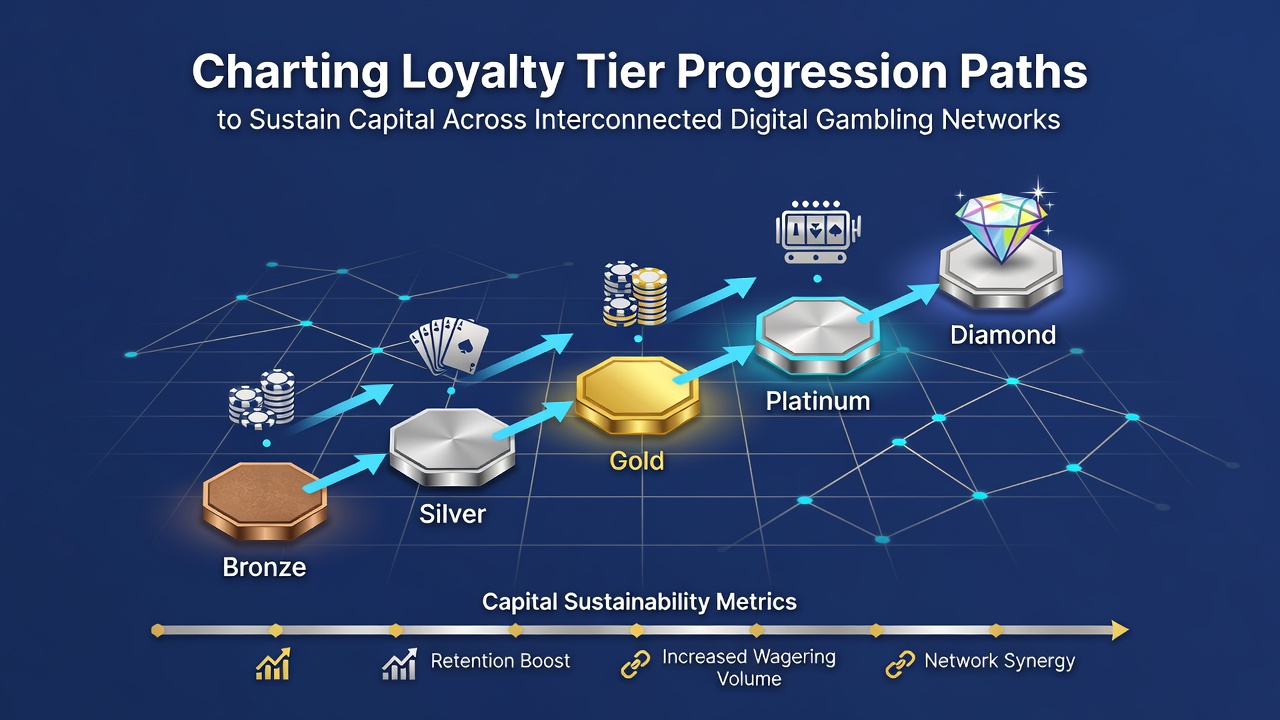
Points earned through regular play convert into tier qualification credits at fixed ratios, and many systems award additional multipliers during promotional windows. Those who monitor daily point totals can time larger wagers to coincide with multiplier events, pushing progression forward without increasing overall risk exposure. According to the Nevada Gaming Control Board, networks with unified tracking recorded higher average session lengths in 2025 compared with standalone platforms, attributing the difference to reward reinvestment patterns.
Network integration patterns and regional variations
European operators often connect through centralized clearinghouses that standardize point values across borders, whereas North American networks rely on bilateral agreements between state-licensed entities. The Alcohol and Gaming Commission of Ontario has documented similar structures in its market, noting that cross-site status transfers reduce the capital required to reach reward thresholds. Participants therefore chart progression by selecting networks whose point-earning rates align with their typical bet sizes and game preferences.
Seasonal adjustments appear in several systems, with summer months featuring elevated earning rates on select game categories. Data shows these adjustments accelerate movement from mid to upper tiers for users who concentrate activity during those windows. Capital sustainability improves when reward schedules match individual play calendars rather than uniform monthly targets.
Tracking tools and decision frameworks
Most interconnected platforms provide dashboards displaying current tier progress, projected qualification dates, and estimated reward values based on recent activity. Users who review these metrics weekly can adjust game selection or session length to optimize remaining requirements. Industry analyses indicate that consistent dashboard monitoring correlates with steadier capital levels because players avoid overextending during qualification pushes.
Some networks publish historical payout distributions tied to each tier, allowing comparison of expected returns across connected sites. Observers note that selecting platforms with favorable distributions at a target tier level extends available funds more effectively than spreading activity evenly without regard to reward schedules.
Conclusion
Interconnected loyalty structures convert ongoing wagering activity into tier-based rewards that directly support capital retention across multiple platforms. Progression follows measurable thresholds, and shared tracking reduces duplication of effort. Available data from regulatory and industry sources confirms that structured advancement paths produce measurable extensions in play duration when rewards are reinvested according to published schedules. Continued expansion of these networks in 2026 suggests further standardization of progression mechanics will emerge.