Correlating Software Provider Track Records with Payout Frequency Distributions Across Aggregated Digital Gambling Libraries
Yara Simmons · May 31, 2026
Correlating Software Provider Track Records with Payout Frequency Distributions Across Aggregated Digital Gambling Libraries
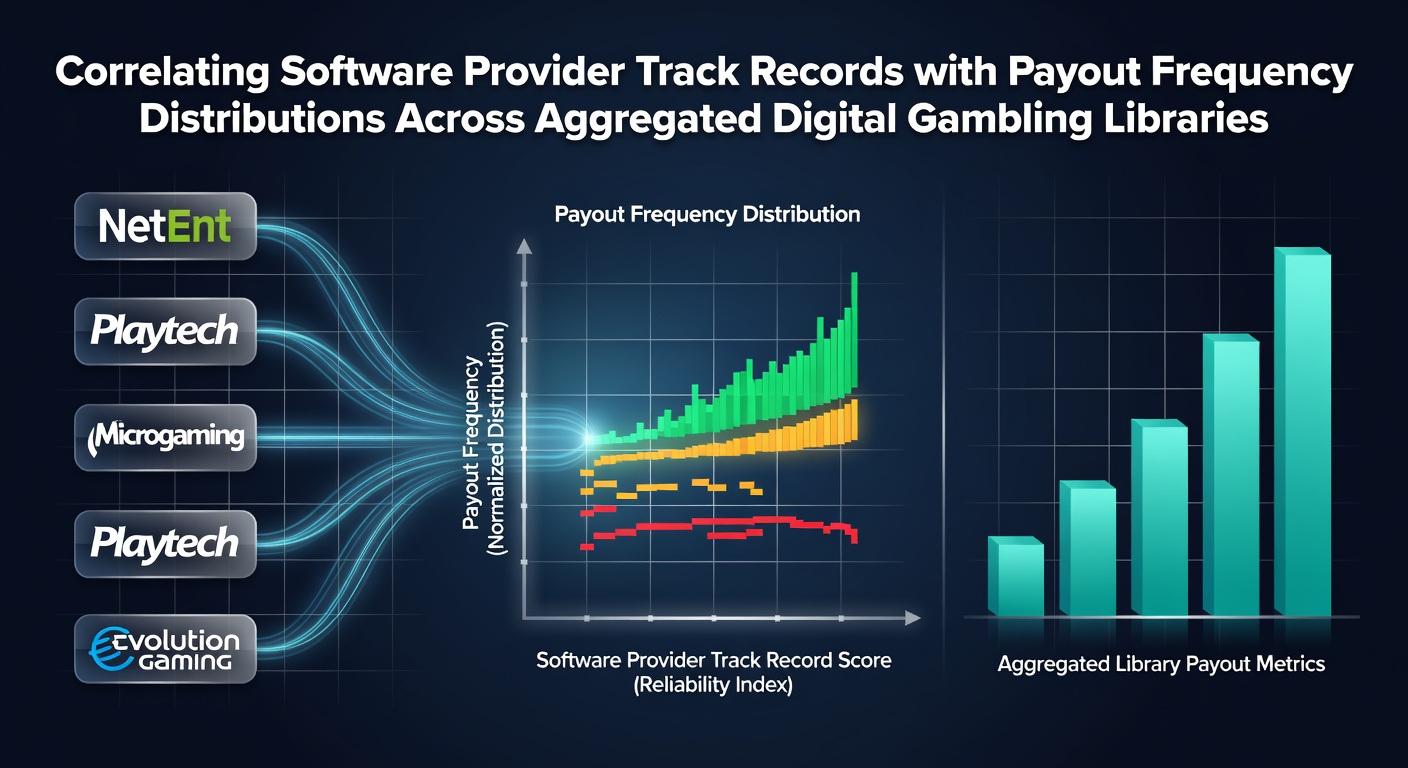
Software providers in digital gambling maintain extensive operational histories that include metrics on game performance, compliance records, and payout behaviors over multiple years, while aggregated libraries compile thousands of titles from various developers into unified platforms where payout frequency distributions emerge from combined player activity across regions. Observers note that these distributions reflect how often wins occur within specific ranges rather than average return percentages alone, and researchers have examined whether longer track records from established providers align with more predictable payout patterns when data sets from multiple operators are merged. Data from regulatory filings in several jurisdictions indicates consistent collection of such information, which allows analysts to map correlations without relying on isolated casino reports.
Defining Track Records for Software Providers
Track records encompass launch dates of games, updates to random number generators, resolution of technical issues reported to oversight bodies, and cumulative data on session outcomes submitted through licensing requirements. Providers with operations spanning more than a decade often supply larger sample sizes for statistical review, whereas newer entrants contribute shorter but sometimes more granular logs from recent deployments. According to information released by the New Jersey Division of Gaming Enforcement, established developers submit quarterly summaries that detail game stability and any adjustments to payout mechanics, which feeds into broader industry databases used by aggregators.
Mapping Payout Frequency Distributions
Payout frequency distributions describe the spread of win occurrences across player sessions, often categorized into intervals such as low-frequency high-value events or higher-frequency smaller returns, and these patterns become visible when libraries aggregate data from hundreds of thousands of spins or hands. Aggregators pull results from multiple operators, normalize the information by game type, and generate histograms that reveal clustering around certain payout thresholds. Studies conducted through partnerships with Canadian provincial regulators have shown that frequency curves differ notably between slot libraries and table game sections, with the former displaying wider variance tied to specific provider algorithms.
Methods Used to Identify Correlations
Analysts apply statistical techniques including regression modeling and time-series comparison to link provider histories with observed frequencies, matching variables such as years of operation against distribution shapes derived from aggregated logs. One approach involves segmenting libraries by provider age and then calculating metrics like median intervals between payouts, while controlling for game category and bet size ranges. Evidence from academic papers published in gaming technology journals demonstrates that providers with uninterrupted licensing histories tend to produce distributions with lower deviation from expected curves when measured across combined platform data.
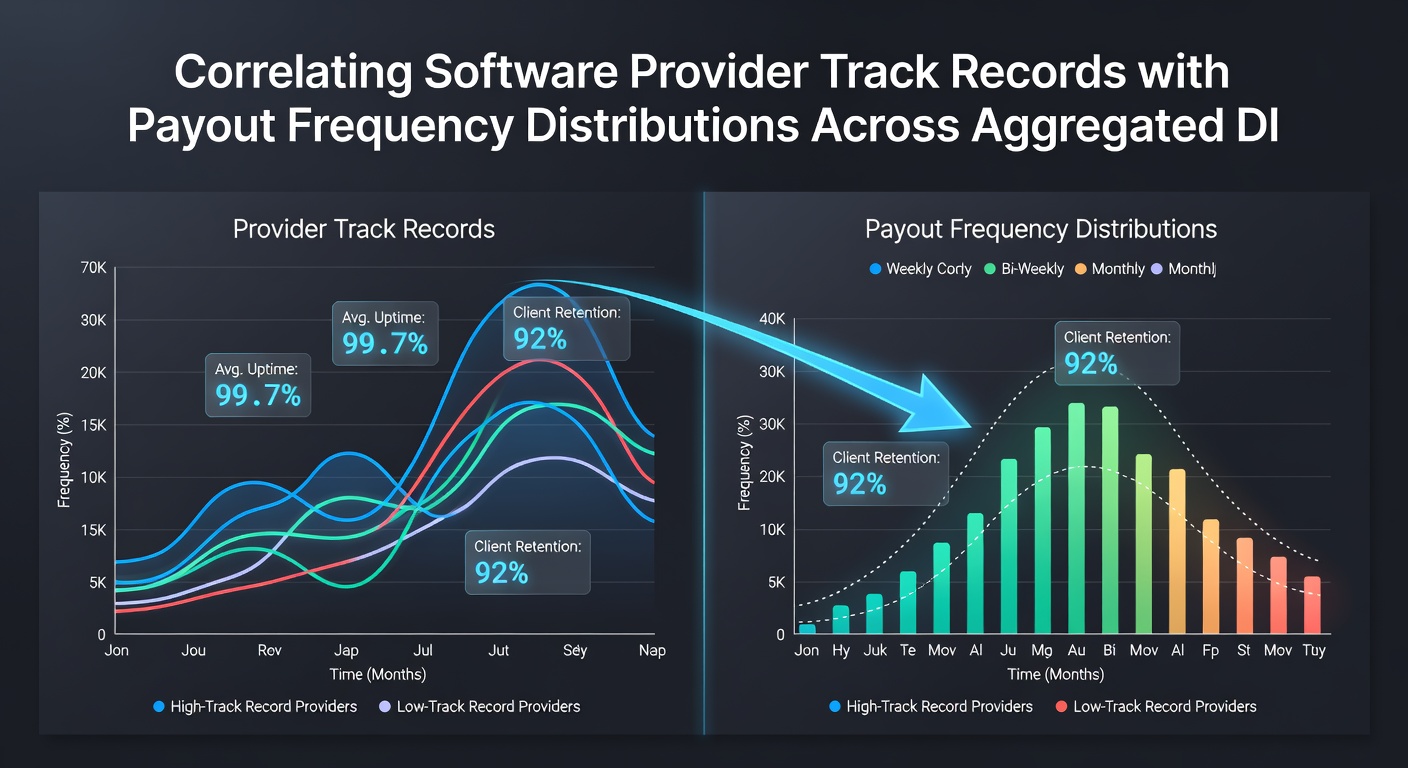
Cross-referencing occurs through anonymized data feeds that respect player privacy regulations, and tools developed by industry research groups allow filtering by jurisdiction to isolate regional effects. Those who've examined these datasets observe that correlations strengthen when sample sizes exceed several million recorded outcomes, reducing noise from individual operator variations.
Regional Data Sources and Industry Reports
Regulatory bodies across different continents compile comparable statistics that support such analyses, with the Australian Communications and Media Authority publishing periodic overviews of digital gambling metrics and the Malta Gaming Authority releasing aggregated compliance summaries that include provider-level details. A report issued by the European Gaming and Betting Association in prior years highlighted how library aggregators utilize these inputs to refine game selection algorithms, and researchers at institutions studying gambling systems have incorporated similar figures into peer-reviewed work on outcome predictability. These sources span regulatory environments in North America, Europe, and Oceania, providing geographic balance that avoids over-reliance on single-market information.
Examples from Aggregated Library Analysis
Take aggregated platforms that combine content from dozens of providers: data sets drawn from such collections have revealed instances where providers operational since the early 2010s exhibit payout frequency distributions clustered more tightly around theoretical models compared with those entering the market after 2020. Observers note that this pattern holds across slot and video poker categories when results are pooled, although table games show narrower overall spreads regardless of provider age. There's this case where experts compared two library segments and found measurable differences in the rate of consecutive non-winning spins, directly tied to the length of each developer's submitted performance records.
Challenges in Establishing Direct Links
Variables such as game theme updates, changes in jackpot structures, and shifts in player demographics can influence distributions independently of track record length, which requires careful isolation during analysis. Aggregators address this through layered filtering that accounts for release dates and mechanic revisions, yet complete elimination of confounding factors remains difficult when dealing with live operational data. Research indicates that larger combined libraries mitigate some of these issues by increasing statistical power, allowing patterns to surface more clearly despite individual game anomalies.
Conclusion
Correlations between software provider track records and payout frequency distributions in aggregated digital gambling libraries rest on systematic collection and comparison of regulatory and operational data from multiple sources. As platforms continue expanding their content pools through 2026, the volume of available records grows, supporting more refined examinations that connect historical provider performance with observable outcome patterns across diverse game types and regions.