Deciphering Cultural Event Timings and Their Role in Shifting Player Preference Clusters Across Global Digital Betting Platforms
Harper Hayes · Jun 9, 2026
Deciphering Cultural Event Timings and Their Role in Shifting Player Preference Clusters Across Global Digital Betting Platforms
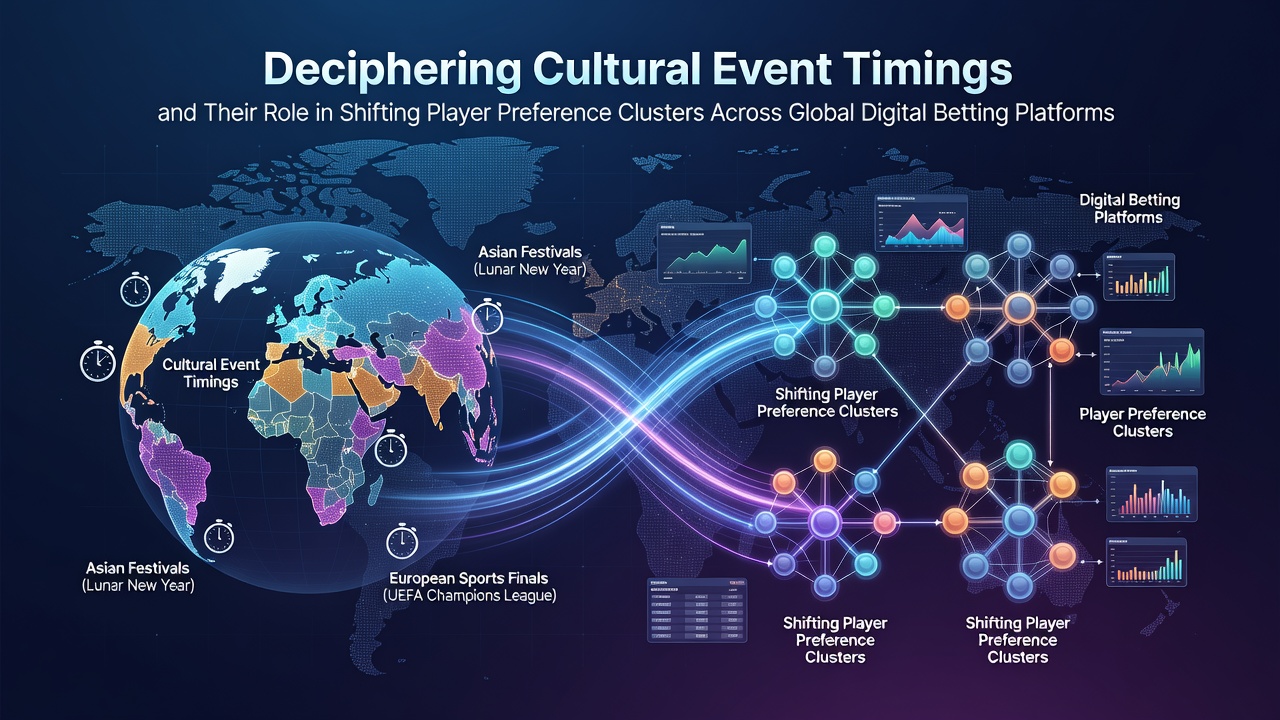
Global digital betting platforms track player activity through aggregated data sets that reveal how cultural event timings influence preference clusters, where groups of users shift toward specific game types or betting categories during festivals, holidays, and regionally significant occasions. Researchers analyzing platform logs note consistent patterns where timing overlaps with events like Lunar New Year or major sports tournaments drive measurable changes in session durations and category selections across different geographic user bases.
Understanding Player Preference Clusters in Digital Environments
Preference clusters form when users on betting platforms repeatedly select certain games or bet types based on shared behavioral signals, and data indicates these clusters realign when cultural events coincide with peak login periods. Studies from various regions show that during harvest festivals in Asia or national holidays in Europe, players often migrate from standard slot libraries toward event-themed content or live sports markets, while North American clusters demonstrate parallel shifts around major league seasons that intersect with local observances. Platforms aggregate this information through anonymized metrics that highlight how timing acts as a catalyst rather than a direct cause for these movements.
Timing Overlaps and Regional Variations
Event timings create distinct windows where cultural calendars intersect with betting availability, and observers note that platforms in multiple jurisdictions record elevated activity in specific categories when these windows open. For instance, data compiled across Asian markets during mid-year celebrations shows increased engagement with multiplayer table games, whereas European records indicate stronger interest in prediction markets tied to cultural sporting fixtures. In June 2026, several platforms are positioned to capture similar overlaps as international tournaments align with regional observances, allowing analysts to compare cluster movements against historical baselines from prior years.
Data Patterns Across Platforms
Platform operators collect timestamped interaction data that maps preference changes to cultural calendars, revealing that clusters do not remain static but redistribute according to event proximity. Australian regulatory reports document how users adjust selections during indigenous cultural days or public holidays, while Canadian analyses highlight comparable adjustments around winter festivals and summer events. These patterns emerge because timing influences availability of themed promotions and live event coverage, which in turn guides users toward clustered preferences without altering underlying platform mechanics.
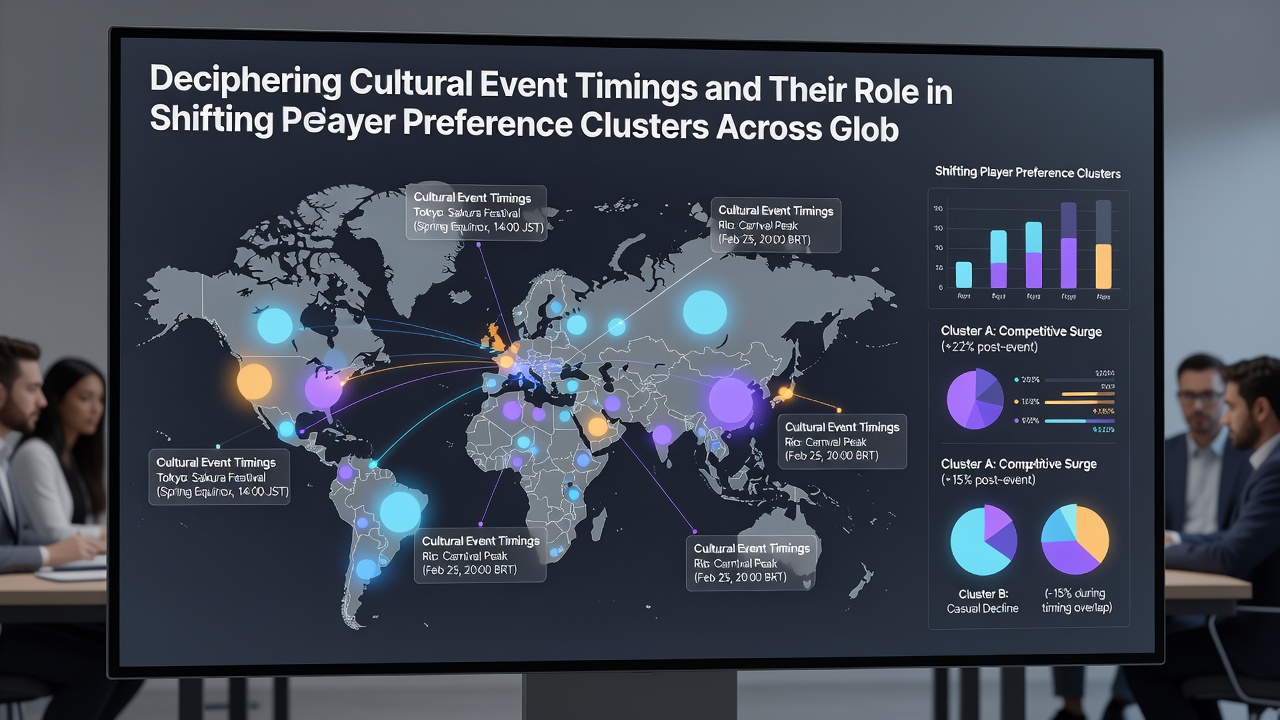
European data sources outside the UK further illustrate how Mediterranean festival periods correlate with rises in certain live dealer categories, and Latin American records show parallel activity around carnival seasons. Analysts cross-reference these observations with timezone-adjusted metrics to isolate timing effects from other variables such as marketing campaigns.
Global Platform Responses to Observed Shifts
Betting platforms adjust content visibility and categorization algorithms when cultural event calendars signal upcoming timing overlaps, and industry reports indicate this approach helps maintain engagement across shifting clusters. Research institutions tracking worldwide digital gambling have published findings on how operators in diverse markets use historical timing data to anticipate cluster movements, particularly when events span multiple regions simultaneously. The result appears in aggregated usage statistics that show preference realignments occurring within hours of event commencements rather than days.
One analysis of aggregated libraries demonstrated that clusters favoring virtual sports expand during periods when traditional fixtures coincide with cultural observances, whereas another set of records from North American operators pointed to increased table game selections around civic holidays. These observations come from anonymized datasets shared through industry associations and academic partnerships that emphasize timing as a measurable variable in preference modeling.
Conclusion
Cultural event timings continue to serve as reference points for understanding how player preference clusters evolve across global digital betting platforms, with data from multiple regulatory and research bodies confirming consistent redistribution patterns tied to calendar overlaps. As platforms refine their tracking methods, the role of precise timing in cluster dynamics remains a focal point for analysts seeking to map behavioral responses without relying on subjective interpretations.