Decoding Interface Cues That Shape Game Selection Outcomes in Virtual Betting Platforms
Cameron Krause · Aug 20, 2026
Decoding Interface Cues That Shape Game Selection Outcomes in Virtual Betting Platforms
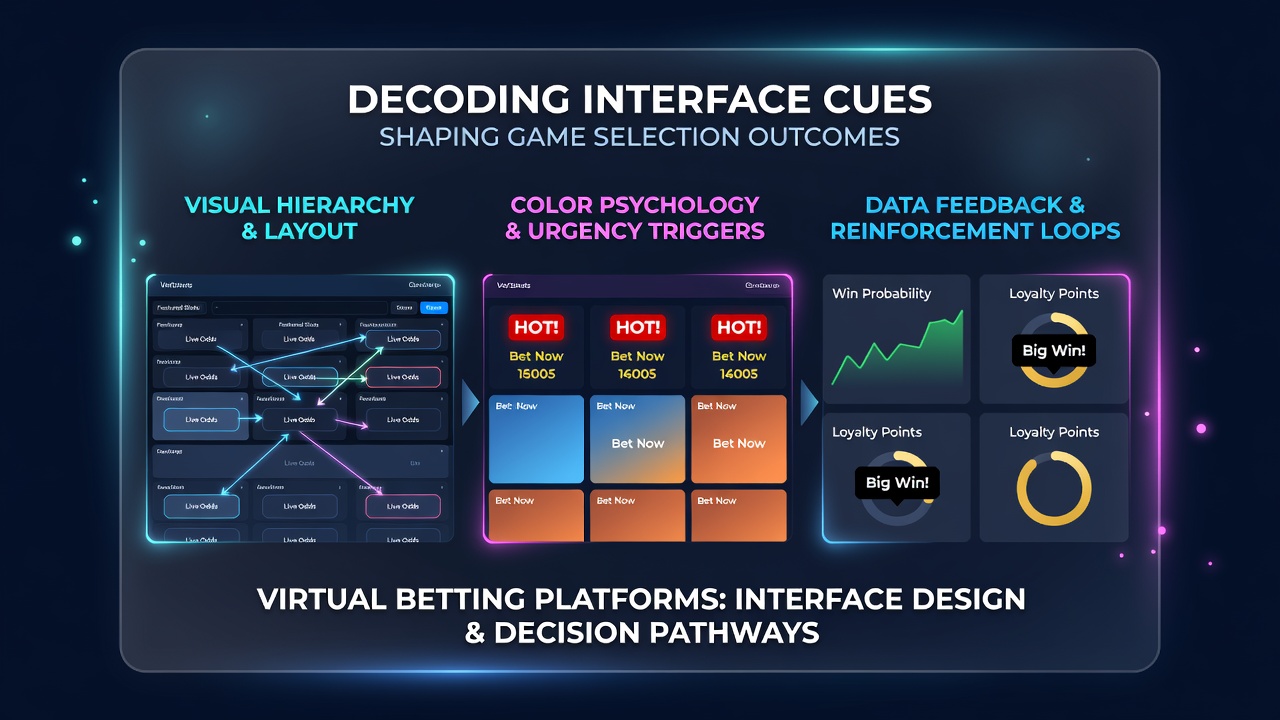
Virtual betting platforms rely on layered visual hierarchies and interactive prompts that direct user attention toward specific titles, and researchers continue to map how these elements influence selection patterns across desktop and mobile environments. Color gradients on game thumbnails often highlight progressive jackpot slots over standard reel games, while animated borders draw focus to live dealer tables during peak evening hours. Platform operators adjust these cues based on aggregated clickstream data, which reveals consistent preferences for high-contrast icons over muted designs in sessions lasting under fifteen minutes.
Thumbnail Design and Visual Prominence
Thumbnail layouts occupy the primary real estate on lobby screens, and their arrangement determines initial exposure rates according to heat-mapping studies conducted by multiple software providers. Larger preview windows with motion elements tend to receive higher selection rates than static grids, particularly when positioned above the fold on tablet interfaces. Observers note that seasonal theme changes, such as holiday overlays applied in late summer, correlate with temporary spikes in themed game picks across North American and European user bases.
Font sizing and label placement further refine outcomes, since concise payout indicators placed directly beneath artwork reduce cognitive load during rapid browsing sequences. Data collected through A/B testing shows that platforms incorporating micro-animations on thumbnail hover states experience measurable shifts in game category engagement, moving users from video poker toward slot libraries within the same session window.
Navigation Structures and Recommendation Algorithms
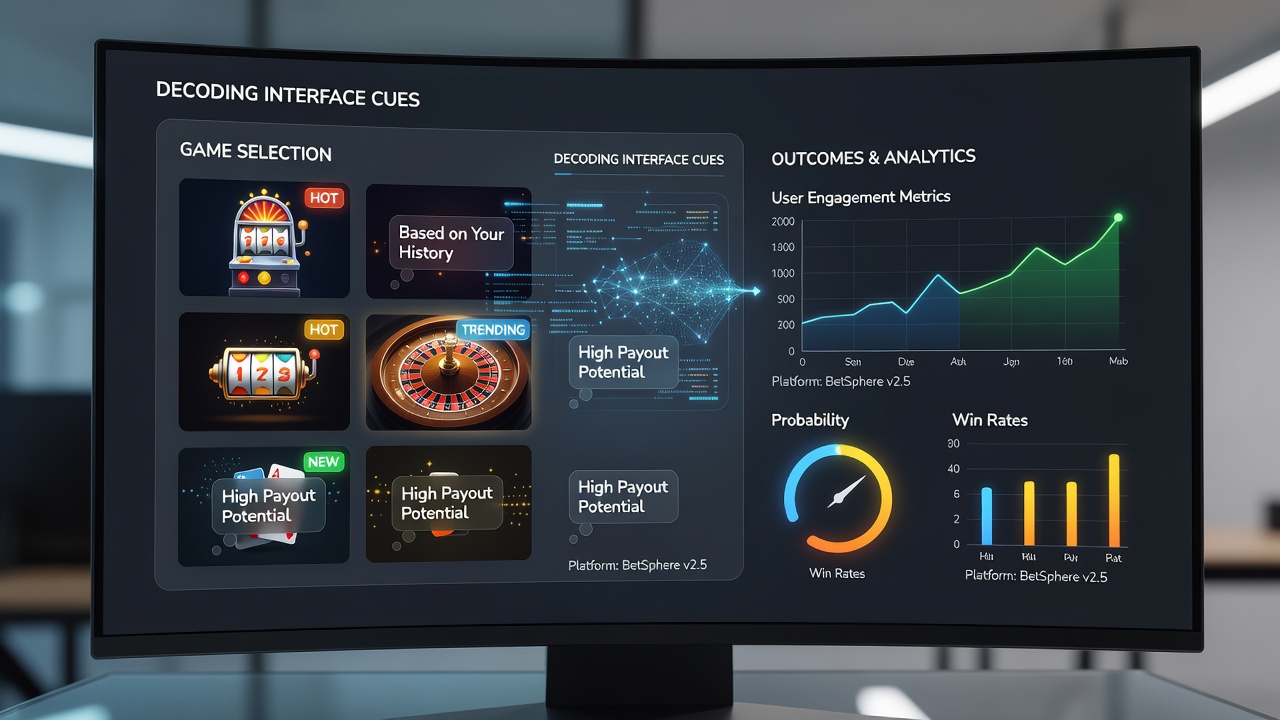
Search bars and filter menus operate as secondary cues that refine broad lobby views into targeted subsets, and their default settings often prioritize popular categories unless users actively override them. Recommendation carousels generated from prior play history appear prominently on account dashboards, directing repeat visitors toward titles with similar volatility profiles. In August 2026 several major operators introduced enhanced personalization layers that integrate real-time session length into these suggestions, producing documented adjustments in cross-category selections.
Menu hierarchies place jackpot sections at the top level on many sites, and this positioning aligns with observed increases in progressive game traffic during promotional periods. Users who begin sessions through filtered lists rather than featured carousels demonstrate different retention patterns, according to longitudinal tracking reported by industry analytics groups.
Notification Systems and Interactive Prompts
Push notifications and in-app banners function as dynamic cues that interrupt idle states, and their timing influences whether users select new releases or return to previously played games. Frequency caps applied by some operators prevent overexposure, yet studies indicate that well-timed prompts still elevate selection rates for featured titles by measurable margins. Badge icons indicating recent wins or community activity add another layer, steering attention toward social proof elements embedded in game cards.
Platform updates in 2026 incorporated more granular control over notification preferences, allowing users to mute certain categories while retaining others, and early adoption metrics reveal corresponding changes in game distribution across those cohorts. Regulatory bodies in multiple jurisdictions track these features for compliance with responsible gaming standards without restricting their deployment.
Cross-Platform Consistency and Regional Variations
Consistency between mobile apps and browser versions affects how cues transfer across devices, while regional regulatory frameworks shape which prompts receive approval. Canadian provincial regulators and Australian oversight agencies have published separate guidelines on interface transparency that influence how operators present game libraries in those markets. Selection outcomes vary accordingly, with data from aggregated reports showing higher filter usage in regions where default recommendations face stricter display rules.
Those examining aggregated session logs find that loading speed of individual game previews serves as an implicit cue, since faster renders correlate with elevated pick rates compared to titles that require additional seconds to populate. Developers therefore optimize asset delivery to maintain competitive edges in crowded lobbies.
Conclusion
Interface cues in virtual betting platforms operate through interconnected visual, navigational, and algorithmic channels that collectively shape game selection outcomes, and ongoing data collection continues to refine understanding of these relationships. Platform adjustments in response to user behavior patterns produce measurable shifts in category distribution, while external guidelines from diverse regulatory sources maintain boundaries on presentation methods. Continued examination of these elements provides clearer pictures of how design choices interact with player navigation across evolving digital environments.