Decoding Loyalty Program Structures and Their Role in Bankroll Management Across Multi-Platform Casino Networks
Viktor Lehmann · Aug 27, 2026

Decoding Loyalty Program Structures and Their Role in Bankroll Management Across Multi-Platform Casino Networks
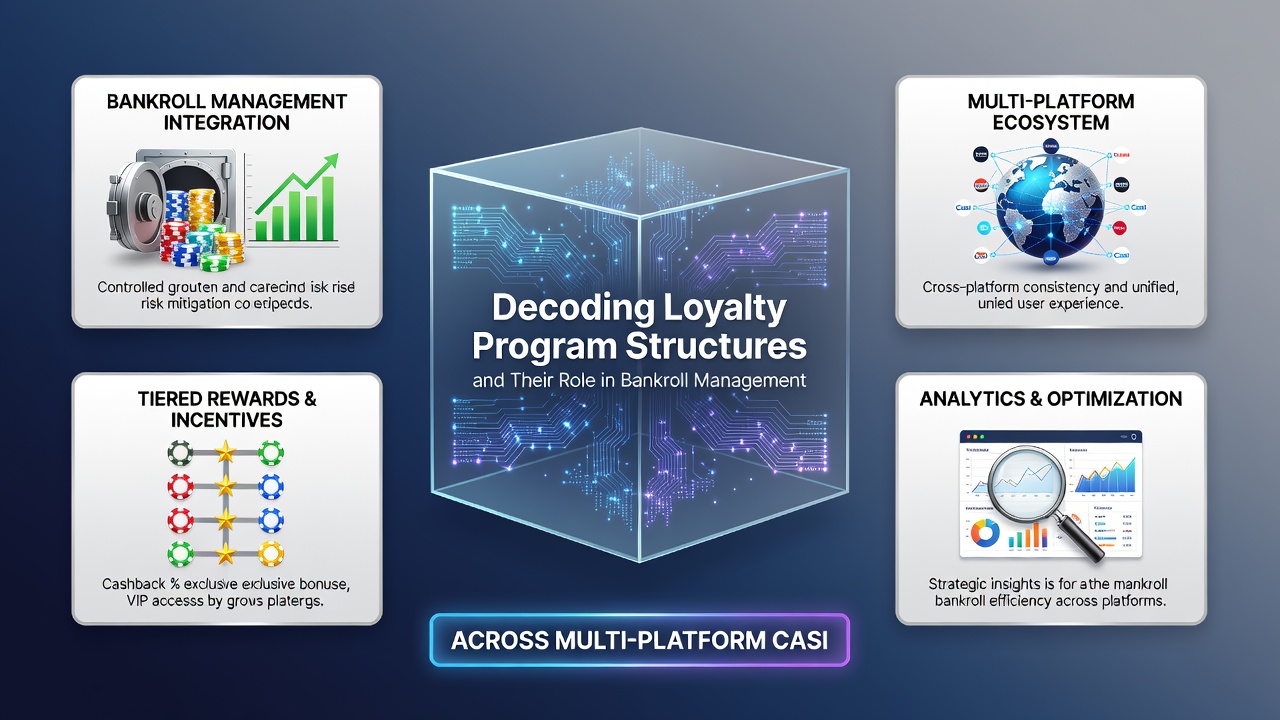
Multi-platform casino networks operate loyalty programs that assign points based on wagering activity, then convert those points into tiered benefits such as cashback percentages, free-play credits, and reduced withdrawal thresholds. These structures intersect with bankroll management because the returned value effectively lowers the net cost of play sessions across different sites within the same network. Data from industry reports show that players who track point accumulation and tier progression maintain longer sessions by offsetting losses through scheduled redemptions.
Core Mechanics of Point Accumulation and Tier Progression
Operators calculate points using formulas tied to game type and stake size, with slot wagers typically generating one point per dollar bet while table games award fewer points per dollar. Players advance through tiers by hitting cumulative point thresholds within defined periods, unlocking higher cashback rates that range from one percent at entry levels to five percent or more at top tiers. Research from the American Gaming Association indicates that networks sharing player data across platforms allow points earned on one site to count toward tier status on others, creating unified progress tracking that supports consistent bankroll allocation strategies.
Cross-Platform Redemption and Bankroll Impact
When rewards convert to cashback or free credits, the funds integrate directly into active balances and reduce the amount drawn from the original deposit. Multi-platform systems often apply these redemptions automatically at month-end, and the timing affects how players schedule larger wagers versus smaller, steady bets. Figures from regulatory filings in Nevada reveal that average cashback returns across networked operators add between 0.8 and 2.3 percent to effective return-to-player rates, depending on tier and game mix. Observers note that players who align redemption windows with planned session lengths preserve capital longer because the added value offsets variance without requiring additional deposits.
Regional Regulatory Frameworks Shaping Program Design
Agencies such as the Nevada Gaming Control Board and the Malta Gaming Authority require operators to publish clear terms for point expiration, tier maintenance, and reward valuation. These rules prevent sudden devaluation of accumulated benefits that could disrupt bankroll planning. In Australia, the National Consumer Protection Framework mandates transparency around loyalty promotions, which has led networks to display projected monthly returns based on average wager volumes. Compliance data released in 2026 show that standardized reporting formats help players compare programs across borders and adjust deposit schedules accordingly.
Integration with Network-Wide Analytics in August 2026
By August 2026 several major networks introduced real-time dashboards that combine loyalty data with session analytics, allowing players to see projected cashback based on current tier and upcoming wager targets. These tools pull from aggregated play records across platforms and display adjusted bankroll forecasts that factor in both expected losses and reward inflows. Reports issued by the University of Nevada, Las Vegas gaming research center document that users of such dashboards extended average play duration by 18 percent compared with those relying on manual tracking alone. The dashboards also flag when a player approaches a tier threshold, prompting strategic shifts in game selection to maximize point earnings without increasing overall risk exposure.
Case Examples of Network Structures
One European network links five online platforms under a single loyalty currency, where points earned on blackjack contribute to tier progress that unlocks higher slot cashback rates on partner sites. A North American operator group uses a tier ladder that resets annually yet carries forward partial progress for players who maintain minimum activity levels. Both models demonstrate how shared infrastructure reduces the capital needed to chase rewards because progress on any platform feeds the same benefit pool. Industry statistics compiled by the Canadian Gaming Association confirm that cross-platform programs produce higher redemption rates than isolated site programs, with 67 percent of eligible points converted within the same calendar quarter.
Conclusion
Loyalty program structures in multi-platform networks supply measurable value that directly influences how players allocate and preserve bankroll resources. Point formulas, tier thresholds, redemption timing, and regulatory transparency together determine the scale of that value. When players monitor these elements through available analytics and align them with deposit and wager plans, the returned benefits integrate into ongoing sessions and modify net expenditure patterns across connected platforms.