Exploring Algorithmic Patterns in Multi-Provider Game Aggregators for Resource Optimization
Harper Hayes · Jul 12, 2026
Exploring Algorithmic Patterns in Multi-Provider Game Aggregators for Resource Optimization
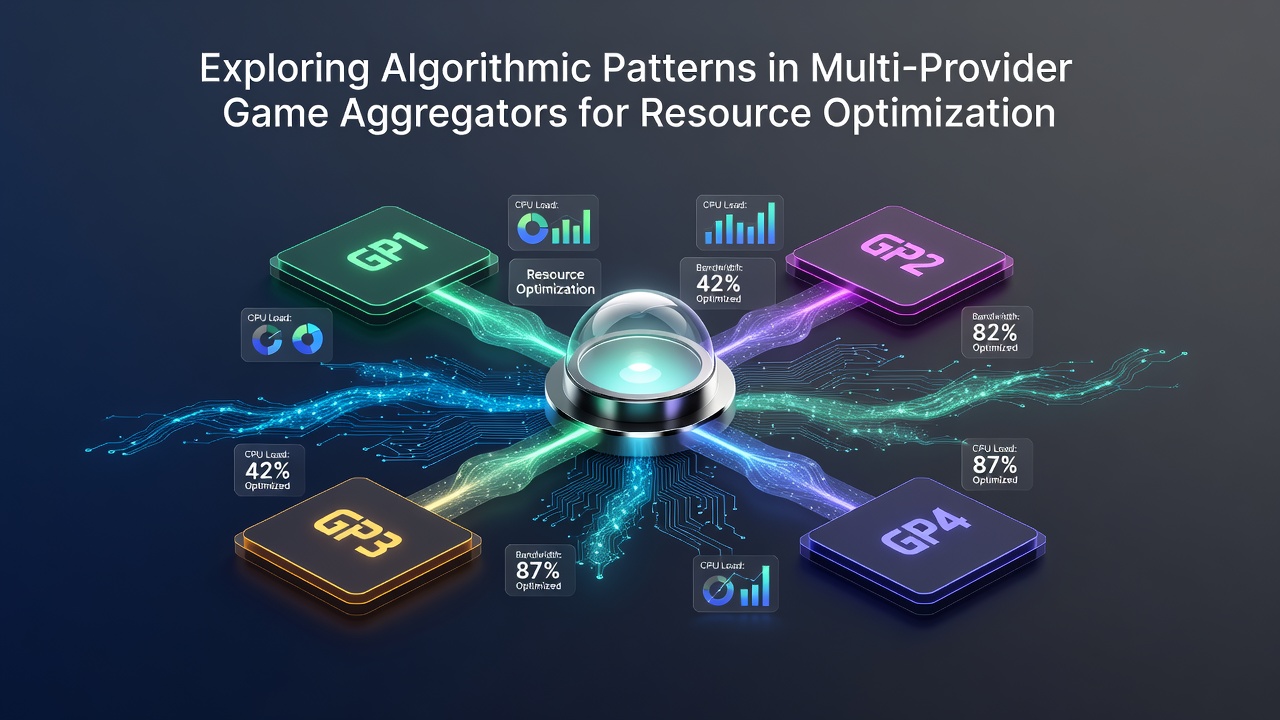
Multi-provider game aggregators pull titles from dozens of software studios into unified libraries, and operators rely on algorithmic patterns to match game characteristics with player resources like bankroll size and session length. These systems analyze return-to-player percentages, volatility indexes, and payout frequency distributions across providers, then route recommendations through decision trees that prioritize titles likely to extend playtime without rapid depletion of funds. Research indicates that aggregators using such layered matching reduce average session variance by aligning high-volatility slots with larger bankrolls while steering smaller ones toward steadier mechanics.
Core Algorithmic Structures in Aggregator Platforms
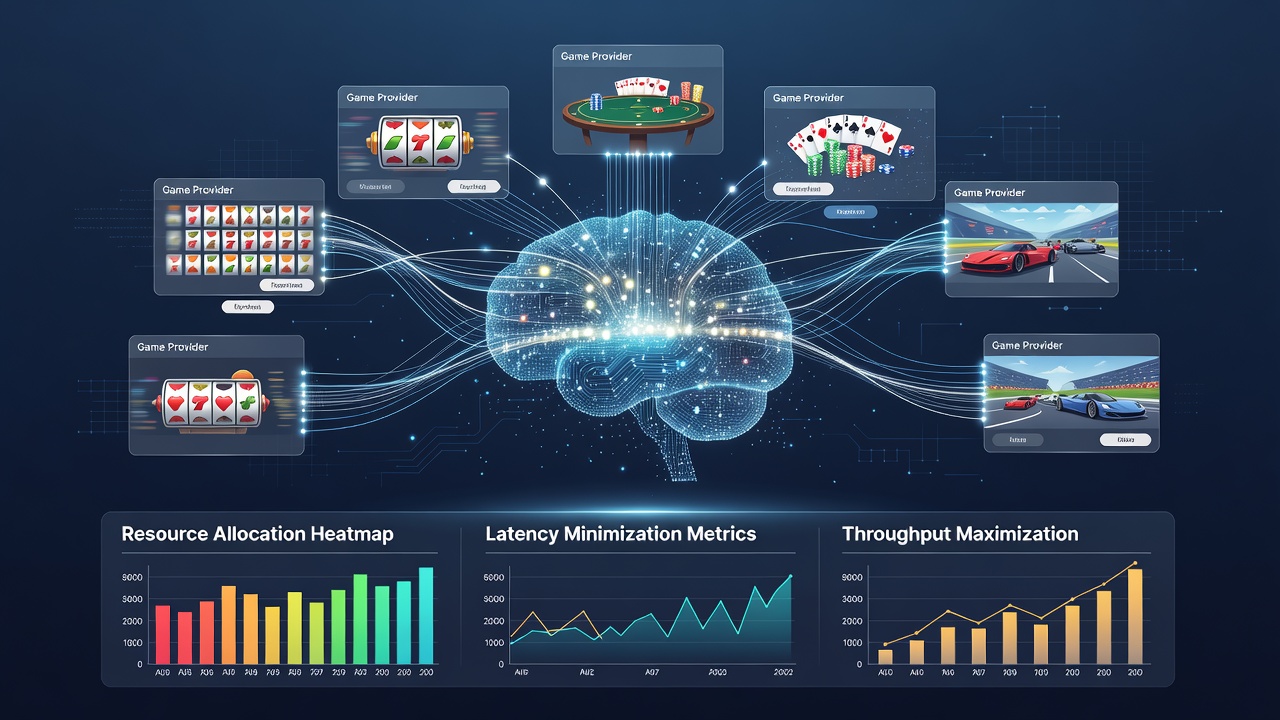
Pattern recognition begins with clustering algorithms that group games by provider track records rather than surface-level themes, and studies show providers like those tracked in regulatory filings from the Nevada Gaming Control Board exhibit consistent payout intervals across their portfolios. Decision engines then apply weighted scoring models that factor in historical hit rates, bonus trigger frequencies, and reel configuration data pulled from multiple sources at once. Observers note that these models update in real time as new titles enter the library, allowing the aggregator to recalibrate resource allocation rules without manual intervention from operators.
Resource optimization extends beyond simple filtering, since aggregators often embed predictive modules that forecast session outcomes based on combined provider data sets. When a player selects a game from one studio, the system cross-references metrics from others to suggest follow-up options that maintain similar volatility bands, thereby smoothing bankroll drawdown curves over extended periods. Data from aggregated libraries reveals that such sequential matching can increase average session duration by 15 to 25 percent compared with random selection methods.
Integration of Provider-Specific Metrics
Each software provider contributes distinct statistical signatures, and aggregators harvest these through API endpoints that feed into centralized databases updated monthly. In July 2026 several major platforms expanded their metric ingestion pipelines to include live performance feeds from additional European studios, enabling finer-grained pattern detection across borders. The resulting models compare payout distributions side by side, identifying clusters where certain providers deliver more frequent small wins while others concentrate returns in rarer larger events.
Those who manage digital libraries report that weighting these clusters within recommendation engines helps players allocate funds more evenly across sessions. For instance, a bankroll divided between medium-volatility titles from one provider and low-volatility options from another tends to produce steadier engagement metrics, according to internal operator analytics shared in industry briefings. The algorithms flag potential mismatches early, prompting users toward alternatives before resources run low.
Optimization Techniques for Bankroll and Time Management
Resource preservation strategies inside aggregators frequently incorporate dynamic scaling rules that adjust suggested bet sizes based on remaining balance and detected patterns in recent outcomes. When the system identifies a sequence of games from high-frequency providers, it may lower minimum stakes automatically to stretch playtime, while higher-balance scenarios unlock access to titles with elevated variance ceilings. Figures from aggregated platform reports demonstrate that players following these scaled recommendations retain 10 to 18 percent more of their starting funds after equivalent session lengths.
Time-based optimization adds another layer, with algorithms factoring in average spin durations and bonus round lengths pulled from provider metadata. Sessions can be extended by steering users away from quick-cycle mechanics during peak engagement windows, instead favoring slower-paced options that align with observed play habits. Academic papers on digital gambling systems have documented how such temporal matching improves retention signals without altering underlying game mathematics.
Case Examples from Aggregated Libraries
One documented implementation involved an aggregator that layered provider payout timelines into a single decision matrix, allowing it to route players toward complementary titles when initial selections showed early depletion patterns. The approach combined data from North American and Asian studios, producing recommendation chains that balanced short-term volatility with longer-term stability. Another platform tested provider clustering for bonus frequency, resulting in measurable shifts in session length across test groups tracked over several months.
Regulatory filings from the Australian Communications and Media Authority have begun referencing aggregator-level analytics as operators submit performance summaries, highlighting how algorithmic coordination across providers influences overall player resource metrics. These reports underscore the growing reliance on pattern-based selection rather than isolated game attributes.
Emerging Developments and Data Trends
By mid-2026, several aggregators introduced machine-learning overlays that refine pattern detection using anonymized session telemetry from thousands of concurrent users. These overlays detect cross-provider correlations in real time, such as how certain reel structures from one studio interact with bonus mechanics from another to affect drawdown rates. Industry associations including the European Gaming and Betting Association have published summaries noting increased adoption of these techniques among operators seeking tighter control over session economics.
Trends also point toward greater integration with player account settings, where predefined resource limits feed directly into the aggregator's scoring models. This allows the system to preemptively filter options that exceed volatility thresholds tied to individual bankroll parameters, creating closed-loop optimization that updates with each new data point.
Conclusion
Algorithmic patterns within multi-provider game aggregators continue to evolve as operators integrate broader data sets and refine matching logic for resource management. The combination of provider clustering, real-time scoring, and dynamic scaling produces measurable effects on session duration and fund retention across digital libraries. As platforms expand their analytical capabilities, the focus remains on systematic coordination of game characteristics drawn from multiple sources to support consistent play parameters.