Exploring Volatility Levels in Virtual Games to Extend Playing Time and Manage Resources Effectively
Cameron Krause · May 19, 2026
Exploring Volatility Levels in Virtual Games to Extend Playing Time and Manage Resources Effectively
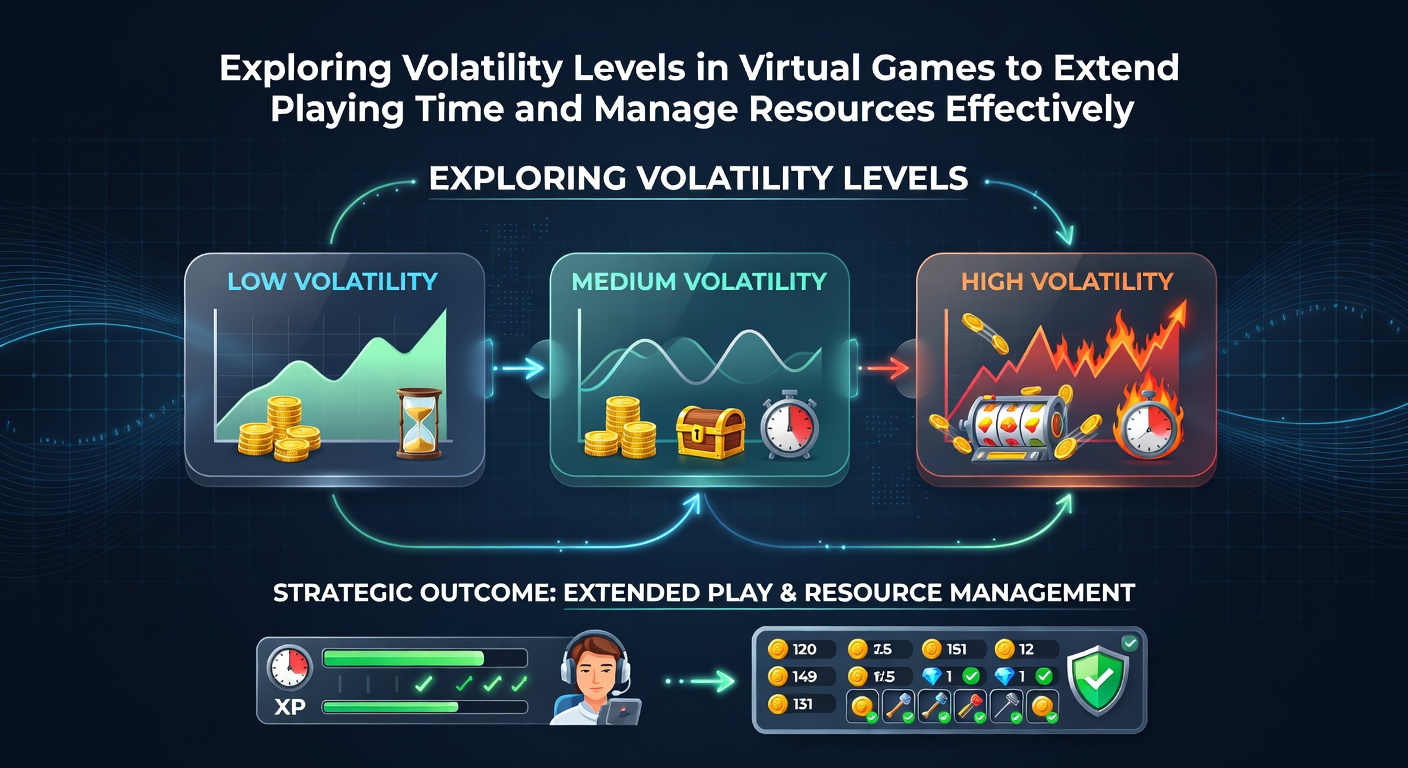
Players who examine volatility patterns in virtual games discover clear connections between game mechanics and session duration as well as bankroll preservation. Data from industry reports indicates that understanding these levels allows participants to align their play styles with specific outcomes rather than relying on random selections. Research conducted across multiple online platforms in early 2026 shows consistent differences in how low medium and high volatility titles distribute returns over time. Low volatility games produce frequent smaller payouts which extend playing sessions while preserving capital for longer periods. Observers note that these titles suit individuals seeking steady engagement without rapid depletion of funds. Medium volatility options introduce a balanced approach where wins occur at moderate intervals and amounts vary enough to maintain interest yet support extended play under controlled spending. High volatility games deliver infrequent yet substantial rewards which demand careful resource allocation to avoid short sessions. Those who study player data find that participants in these games often adjust bet sizes downward to stretch their available funds across more rounds. Figures released by the Ontario Lottery and Gaming Corporation reveal that strategic bet management in high variance environments correlates with longer average playtimes when users set strict loss limits in advance.How Volatility Influences Session Length
Virtual game libraries contain titles with distinct volatility profiles that directly affect how long a session lasts before resources run out. Experts have observed that low variance slots generate regular small returns which keep balances stable and allow continued spins without quick interruptions. In contrast high variance games create longer stretches without payouts which test a player's ability to maintain discipline during dry spells.
Players often discover that matching volatility to their bankroll size prevents premature exits from sessions. A person with a modest starting amount might select low volatility options to maximize round count while someone with larger reserves can explore high volatility titles without immediate pressure. Studies from Canadian research institutions confirm that such matching reduces the frequency of total fund exhaustion within single visits.
Resource Management Techniques Based on Variance
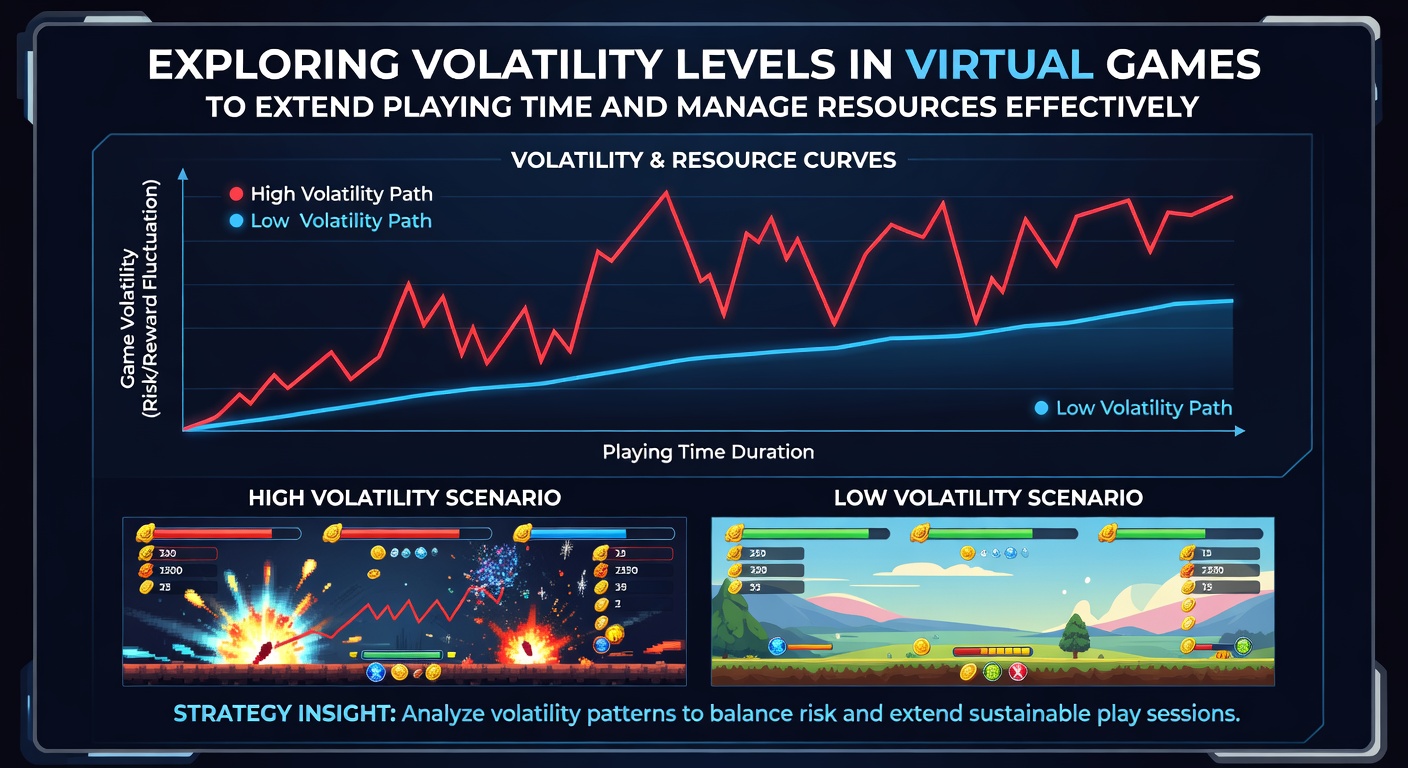
Effective resource management begins with setting predetermined budgets that account for volatility level before any gameplay starts. Data shows participants who divide their funds into smaller portions for individual sessions maintain control longer than those who play without such divisions. Those who study patterns recommend adjusting bet amounts according to recent payout frequency so that high variance periods receive smaller wagers to preserve capital for potential later wins.
Additional techniques include tracking win and loss streaks in real time which helps identify when a game shifts into a less favorable phase. Researchers discovered that users who pause after reaching preset win goals avoid giving back accumulated returns during subsequent high variance swings. In May 2026 several platform analytics reports highlighted how these pausing habits contributed to measurable increases in total play duration across user groups.
Selecting Games to Match Goals
Game libraries now include tools that display volatility ratings alongside return percentages which simplifies the selection process for informed users. Observers note that combining this information with personal session goals leads to more consistent outcomes over repeated visits. A player aiming for extended entertainment might prioritize low volatility releases while one pursuing larger single wins could focus on high variance categories with adjusted expectations.
Examples from popular virtual titles demonstrate these principles in practice. One widely studied slot series maintains low volatility through frequent bonus triggers that replenish balances regularly whereas another series features rare progressive jackpots that create extended quiet periods between major events. Participants who review these characteristics in advance report better alignment between their available time and financial resources.
Conclusion
Volatility analysis provides a factual framework for extending playtime and managing resources in virtual environments. Evidence from regulatory and research sources continues to support the value of matching game profiles to individual bankroll parameters. As platforms evolve in 2026 these approaches remain central to sustained participation across diverse player groups.