Linking Behavioral Analytics from Digital Casino Apps to Customized Game Recommendation Engines
Harper Hayes · Jun 2, 2026

Linking Behavioral Analytics from Digital Casino Apps to Customized Game Recommendation Engines
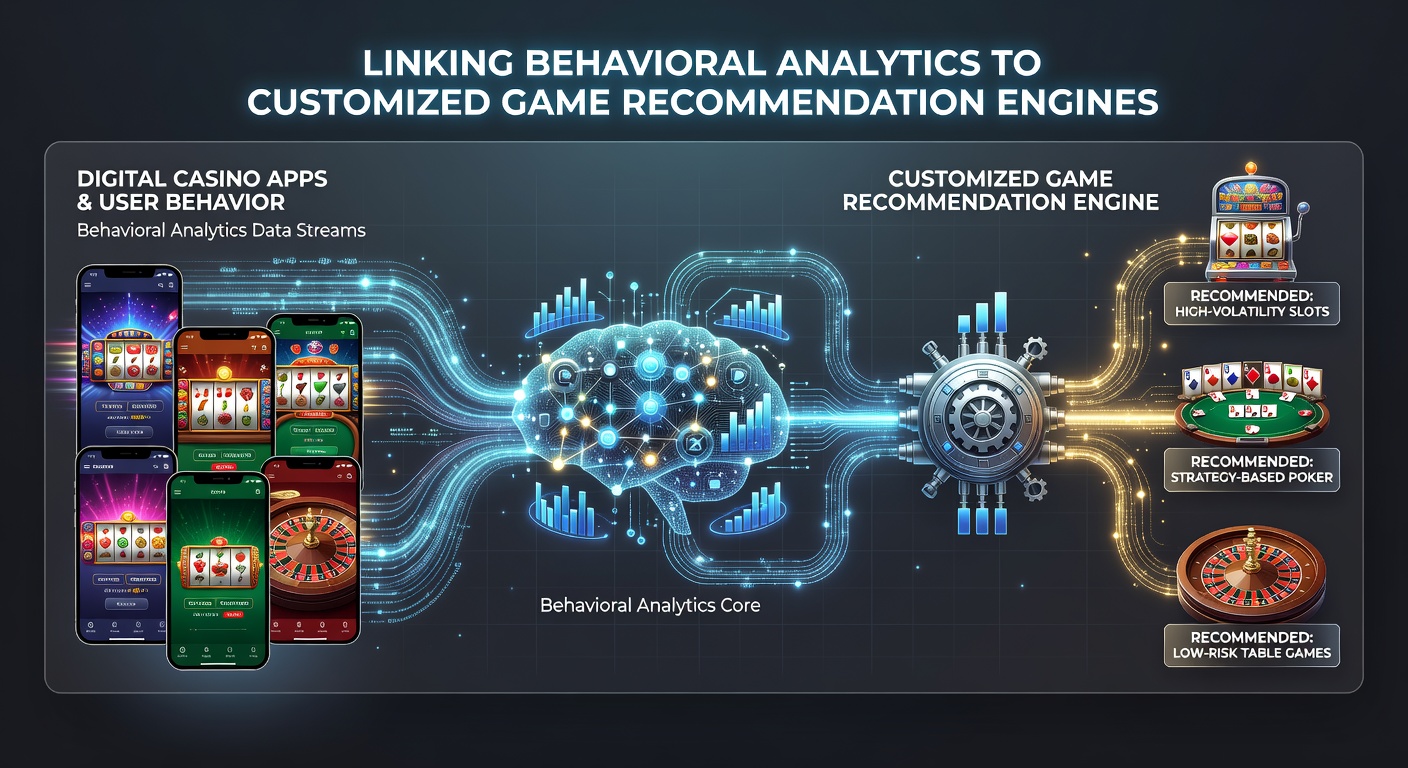
Digital casino platforms collect extensive user interaction data through mobile applications, and this information feeds directly into recommendation systems that suggest specific games based on observed patterns. Behavioral analytics track metrics such as session duration, game selection sequences, bet sizing adjustments, and time spent on different titles, which algorithms then process to generate personalized suggestions. These systems rely on machine learning models that identify correlations between past activity and future preferences across large user bases.
Data Collection Mechanisms in Casino Applications
Applications record every interaction in real time, logging details like spin frequency in slot games, decision points in table variants, and navigation paths through menus. Researchers at various institutions have documented how platforms aggregate this data into profiles that update continuously during active sessions. In June 2026 several major operators integrated enhanced tracking features following updates to regional compliance standards in North America and parts of Asia, allowing more granular capture of engagement signals without requiring additional user input.
Session logs combine with device information and location data to build multidimensional user representations. Analysts note that these datasets grow rapidly, often exceeding millions of data points per active account over weeks of play. The resulting profiles enable systems to distinguish between short exploratory sessions and extended focused play periods, creating categories that recommendation engines reference when ranking available titles.
Recommendation Engine Architectures
Customized engines typically employ a combination of collaborative filtering and content-based approaches. Collaborative methods compare one user's activity patterns against similar profiles across the platform, while content-based systems match game attributes such as volatility indicators, theme elements, and payout structures to demonstrated preferences. Hybrid models blend both techniques to improve accuracy when suggesting new releases or lesser-known options within extensive libraries.
Platforms process these calculations through distributed computing resources that handle real-time updates as new interaction data arrives. Observers have noted that processing latency remains under two seconds for most recommendations in high-traffic applications, which supports seamless integration into the user interface. Data from the American Gaming Association shows that recommendation features appear in over 70 percent of top-grossing digital casino products operating in regulated markets.
Integration with User Experience Features
Recommendations surface through dedicated carousels, push notifications, and in-game prompts that adjust based on current session behavior. When a user demonstrates increased activity in progressive jackpot titles, the engine prioritizes similar high-variance options while de-emphasizing low-volatility alternatives that previously received less attention. This dynamic adjustment occurs without interrupting core gameplay loops.
Operators link these engines to loyalty program tiers, where higher engagement levels unlock access to exclusive game previews generated from individual analytics. Reports from the Responsible Gambling Council in Canada indicate that such integrations have expanded across multiple provinces since early 2025, coinciding with broader adoption of AI-driven personalization tools in licensed environments.
Privacy and Regulatory Frameworks
Platforms must balance detailed analytics collection with data protection requirements enforced by regional authorities. Encryption protocols and anonymization techniques reduce the risk of individual identification while preserving aggregate patterns that power recommendation accuracy. European operators often reference GDPR guidelines when designing data pipelines, whereas North American systems align with state-specific gaming regulations that mandate clear disclosure of tracking practices.
June 2026 brought additional scrutiny in several jurisdictions as regulators reviewed how recommendation engines influence play duration and spending patterns. Compliance teams now audit model outputs regularly to ensure suggestions remain within approved game catalogs and do not promote titles restricted for certain user segments.
Performance Metrics and Industry Trends
Key performance indicators include click-through rates on suggested titles, conversion to actual play sessions, and retention measured over subsequent days. Studies compiled by academic researchers show that well-tuned engines can increase average session length by directing users toward titles that align with established behavior patterns. These improvements appear consistent across both established markets and emerging regions adopting digital casino frameworks.
Industry conferences scheduled for mid-2026 highlighted case studies where operators refined their models using A/B testing frameworks. Results demonstrated measurable shifts in game discovery rates, particularly for new releases that previously struggled to gain visibility amid larger catalogs. The focus remains on transparent implementation that maintains user trust while supporting platform growth objectives.
Conclusion
Behavioral analytics from digital casino applications continue to shape recommendation engines through structured data flows and algorithmic processing. Regulatory developments in June 2026 reinforced the need for balanced approaches that respect privacy while delivering functional personalization. As platforms refine these connections, the underlying techniques remain rooted in established data science principles applied to large-scale user interaction records.