Mapping Cross-Border Regulatory Shifts to Payout Verification Protocols in Transnational Digital Gambling Networks
Cameron Krause · Aug 25, 2026
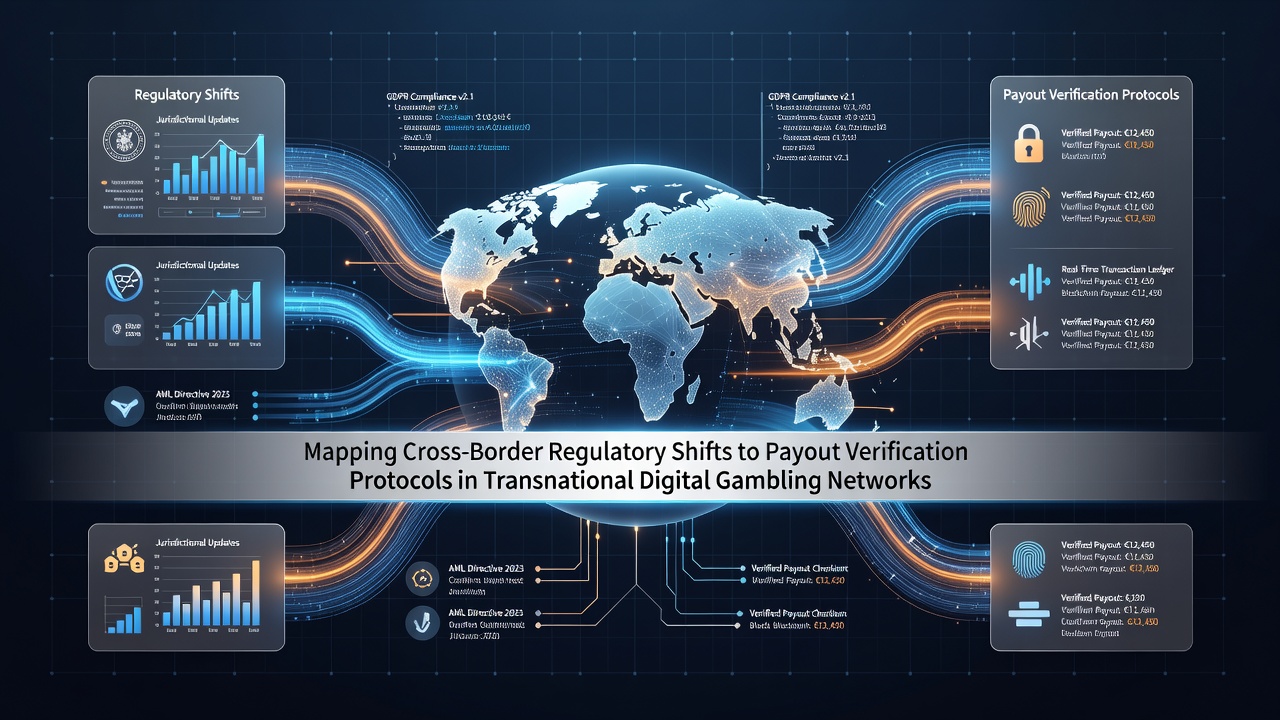
Mapping Cross-Border Regulatory Shifts to Payout Verification Protocols in Transnational Digital Gambling Networks
Regulatory changes across multiple jurisdictions have reshaped how transnational digital gambling networks handle payout verification, and operators must align their protocols with evolving requirements for anti-money laundering checks, identity confirmation, and transaction monitoring. European directives on digital services have prompted platforms to integrate stricter verification layers when processing withdrawals that cross into member states, while Australian state commissions have introduced new reporting thresholds that affect how funds move between offshore servers and local accounts.
Those who track these developments note that verification protocols now often require real-time data exchanges between networks operating in different regions. A shift in one regulatory environment can trigger updates in payout approval sequences elsewhere because platforms use shared databases to flag high-risk transactions before releasing funds. Researchers at institutions studying global gambling markets have documented how these interconnections create cascading effects on processing times and compliance costs.
Regional Regulatory Developments and Their Reach
Authorities in the European Union have expanded data protection rules that intersect with gambling payout systems, requiring operators to verify user identities through standardized electronic methods before authorizing transfers. Canadian provincial regulators, including those in Ontario and British Columbia, have adopted similar verification standards that apply when networks handle payouts involving Canadian residents, and these rules influence how international platforms structure their approval workflows. In August 2026 several Australian jurisdictions are scheduled to enforce updated transaction monitoring guidelines that will require additional documentation for cross-border withdrawals exceeding specific amounts.
US state gaming bodies such as the New Jersey Division of Gaming Enforcement have implemented rules that demand detailed audit trails for any payout routed through networks with servers located outside the state. These requirements force operators to map their verification steps to each jurisdiction's standards so that a single withdrawal request can satisfy multiple layers of scrutiny without delays. Observers note that such mapping reduces the risk of rejected transactions but increases the technical complexity of the underlying systems.
Integration of Verification Protocols Across Borders
Transnational networks typically maintain centralized verification engines that reference regulatory databases from multiple countries before releasing funds. When a regulatory body updates its payout rules, operators must adjust the engine's decision trees so that automated checks remain compliant. Industry reports from research groups tracking digital gambling show that networks using modular verification software can implement these adjustments more quickly than those relying on rigid legacy systems.
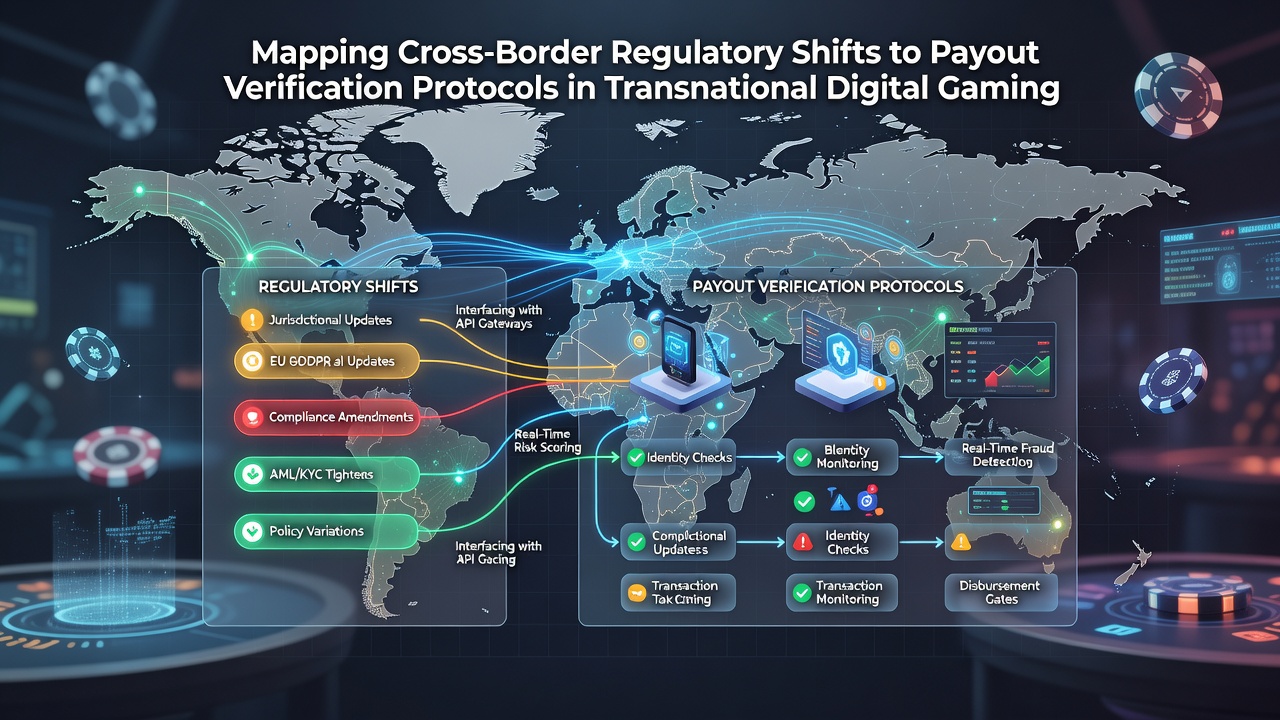
One study conducted by academic teams examining European and North American markets found that platforms incorporating machine learning models into their verification processes achieved faster alignment with new rules. These models analyze transaction patterns against updated regulatory criteria and flag cases needing manual review, which helps maintain compliance while processing high volumes of payouts. Data from the same research indicates that networks without such adaptive tools experienced longer approval queues after regulatory updates took effect.
Challenges in Maintaining Consistent Compliance
Operators face difficulties when regulatory timelines in different regions do not align, because a change effective in one jurisdiction may require immediate protocol adjustments while another region maintains older standards. This mismatch can lead to temporary inconsistencies in how verification occurs for users in various locations. Trade associations representing digital gambling providers have published guidance documents that recommend maintaining parallel verification pathways until all relevant regulators complete their update cycles.
Cross-border data sharing agreements also play a role in verification accuracy. Networks that participate in information exchanges with regulators in the EU, Canada, and Australia can access more comprehensive risk profiles for users, which in turn supports more precise payout decisions. Yet these agreements impose their own technical and legal obligations that operators must track alongside the core payout rules.
Future Mapping of Regulatory and Protocol Interactions
Analysts tracking the sector expect continued refinement of verification protocols as additional jurisdictions introduce or revise rules governing digital gambling payouts. Platforms that maintain flexible mapping frameworks between regulatory sources and technical systems are positioned to respond without major overhauls. Reports from international gaming research organizations highlight that ongoing collaboration between regulators and operators can reduce friction in these mapping processes over time.
Conclusion
Cross-border regulatory shifts continue to drive changes in payout verification protocols within transnational digital gambling networks, with operators relying on adaptable systems to meet requirements from multiple regions simultaneously. Evidence from regulatory filings and industry analyses shows that structured mapping approaches help maintain compliance across evolving standards, and networks that update their verification engines in response to new rules experience fewer disruptions in payout processing.