Mapping the Effects of Animation Speeds on Cognitive Load During Extended Virtual Slot Interactions
Cameron Krause · Jul 2, 2026
Mapping the Effects of Animation Speeds on Cognitive Load During Extended Virtual Slot Interactions
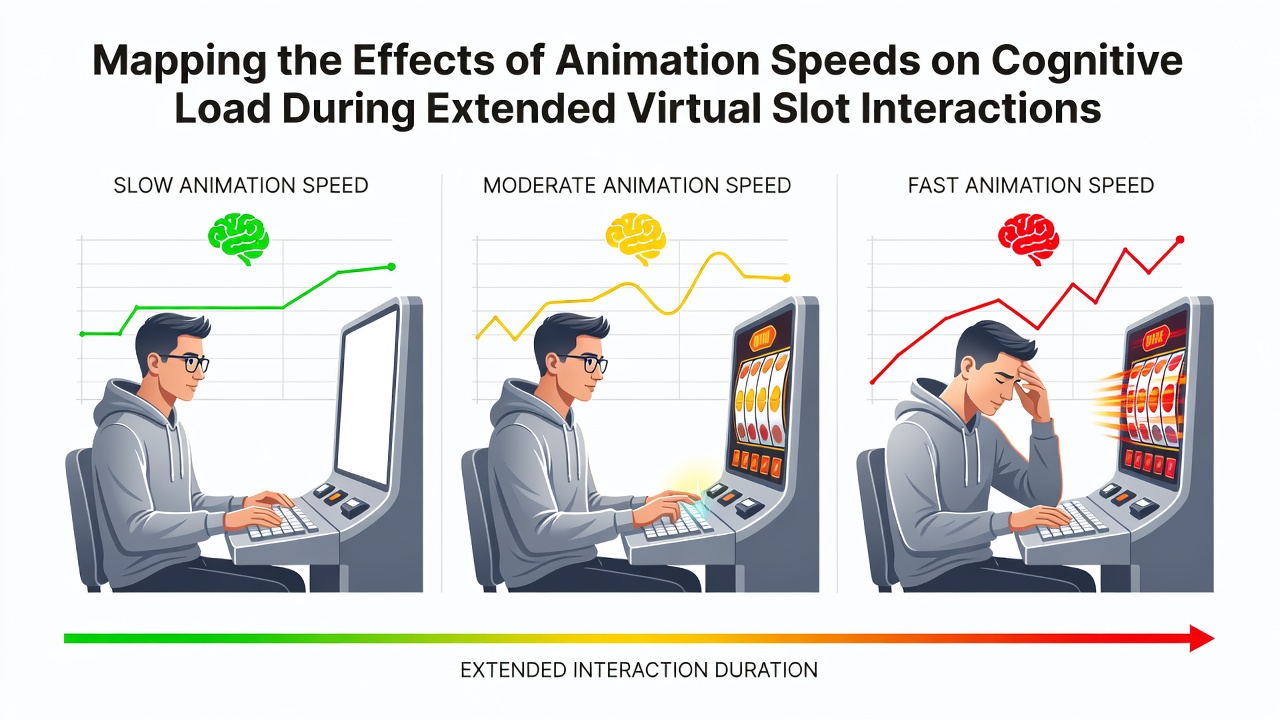
Research into virtual slot platforms has examined how animation speeds influence cognitive load during sessions that extend beyond thirty minutes. Studies conducted across multiple laboratories indicate that faster reel spins and symbol transitions increase mental effort as measured by eye-tracking data and response latency tests. Slower animations, by contrast, allow brief recovery periods between outcomes yet may extend overall session duration through reduced visual fatigue. Observers note that cognitive load rises when frame rates exceed standard thresholds of sixty frames per second in high-volatility titles. Data collected from participants completing one-hour sessions reveal elevated prefrontal cortex activation during rapid sequences, according to findings published by the Australian Gambling Research Centre. Those measurements correlate with self-reported difficulty in tracking bet amounts and bonus triggers once animation intervals drop below four hundred milliseconds.Key Variables in Animation Design
Platform developers adjust several parameters when setting reel speeds. These include spin duration, symbol bounce effects, and transition delays between consecutive results. Researchers at the University of Nevada Reno tracked eye movement patterns across three speed variants and found that intermediate settings produced the most stable attention allocation throughout extended play periods. Faster settings prompted more frequent gaze shifts away from the paytable information panels.
Session length interacts with these variables in measurable ways. Participants who engaged with slower animations maintained consistent decision-making accuracy even after ninety minutes, while those using accelerated versions showed performance decline beginning around the forty-five-minute mark. The differences appear most pronounced in games featuring multiple paylines and cascading mechanics.
Findings from Recent Data Collection
Figures released in July 2026 by the Canadian Centre on Substance Use and Addiction documented patterns across a sample of twelve hundred regular users. Faster animations coincided with higher rates of missed bonus round cues during the later stages of two-hour sessions. Slower speeds correlated with steadier bet sizing behavior, although total spin counts remained comparable across conditions when players received identical credit allocations.
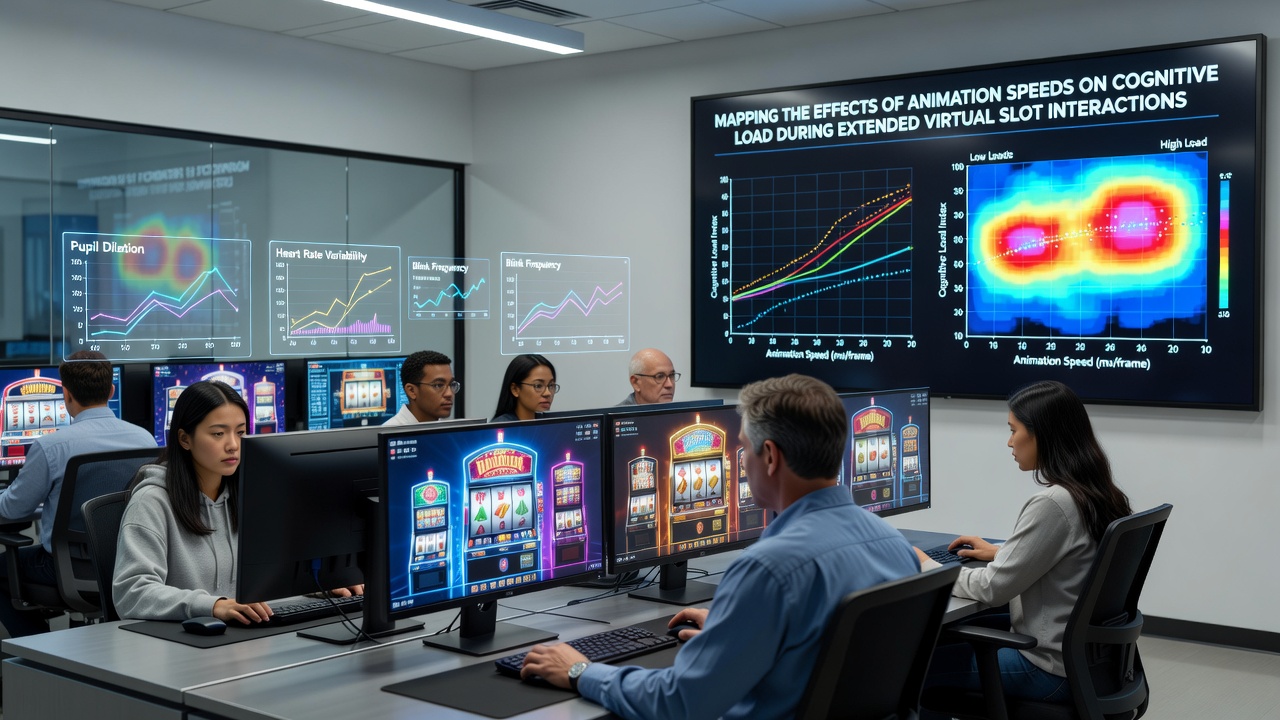
Additional analysis examined heart rate variability as a secondary indicator of mental effort. Elevated variability appeared during rapid animation blocks, suggesting intermittent spikes in autonomic arousal that coincide with visual processing demands. These physiological markers aligned with performance metrics collected through secondary task probes inserted at regular intervals.
Interaction Between Animation Speed and Game Features
Cluster pay formats and expanding wild animations introduce further complexity. When these elements trigger in rapid succession, the combined visual input elevates cognitive load beyond levels recorded in standard line-based games. Laboratory sessions conducted with networked platforms showed that players required additional time to verify win amounts after fast-moving clusters resolved.
Sound design often accompanies animation speed choices. Research teams have begun isolating auditory cues from visual timing to determine independent contributions to mental workload. Preliminary results suggest that mismatched audio-visual pacing amplifies perceived effort during extended interactions, although full datasets remain under peer review.
Implications for Platform Configuration
Regulatory bodies in several jurisdictions have begun requesting animation speed disclosures within game certification submissions. The Malta Gaming Authority incorporated preliminary guidelines referencing cognitive load metrics in its 2025 technical standards update. Platform operators respond by offering adjustable speed settings that allow users to select preferences before commencing longer sessions.
Behavioral tracking systems now incorporate session duration alongside animation parameters to flag potential fatigue indicators. These systems compare individual spin histories against aggregated datasets that highlight typical load thresholds for specific game types. Alerts trigger when patterns deviate from established baselines for that title.
Conclusion
Current evidence maps clear relationships between animation timing and cognitive demands across extended virtual slot sessions. Intermediate speeds appear to balance visual engagement with sustained attention capacity according to multiple laboratory and field measurements. Ongoing work continues to refine these mappings through larger participant pools and refined physiological monitoring techniques.