Player Habit Formation and Its Relation to Game Selection Patterns in Mobile Casino Applications
Cameron Krause · Jul 7, 2026
Player Habit Formation and Its Relation to Game Selection Patterns in Mobile Casino Applications
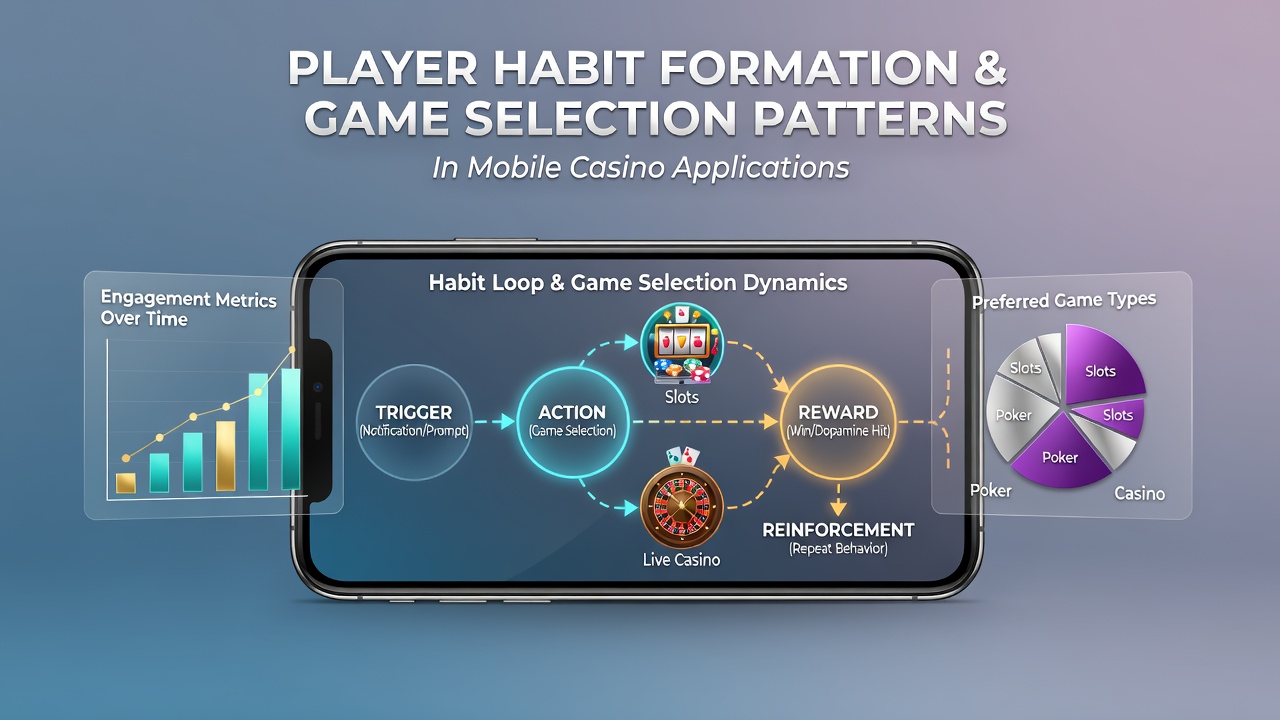
Habit formation in mobile casino applications develops through repeated interactions where users engage with specific features at consistent times, and this process directly shapes which games they select during subsequent sessions. Researchers have tracked how initial random choices evolve into predictable patterns as players return to familiar titles, often within the first two weeks of app installation, while data from aggregated user logs shows that once a habit solidifies around quick-play formats the selection shifts away from longer commitment options such as live dealer tables.
Mechanisms Behind Habit Development in Mobile Environments
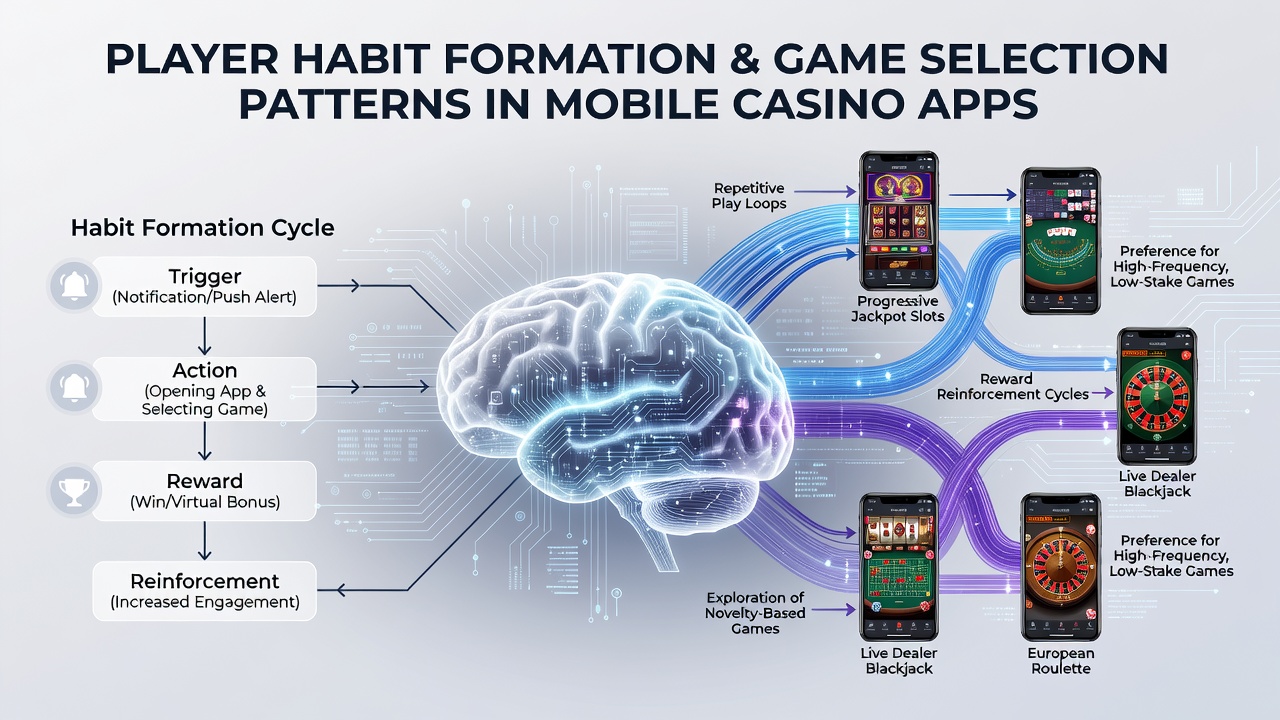
Behavioral loops form when an app triggers a cue like a push notification, the user responds with a game launch, and a reward arrives through immediate visual feedback or small wins, and this cycle strengthens neural pathways according to studies conducted by institutions tracking digital engagement across North America. Over successive days the brain begins to anticipate the sequence, so players open the app at similar hours each evening and bypass browsing menus in favor of their established favorite, which accelerates the narrowing of game choices. Observers note that frictionless interfaces reduce the steps between cue and action, thereby shortening the time it takes for a behavior to become automatic, and this effect appears more pronounced on smartphones than on desktop platforms because of constant device proximity.
Links Between Formed Habits and Game Selection Trends
Once habits stabilize, selection patterns reveal clear preferences for games that align with the time investment users have learned to associate with the activity, so short-session slots dominate over multi-round strategy titles in mobile libraries. Figures from industry analytics platforms indicate that players who establish evening routines lasting under fifteen minutes gravitate toward titles with rapid spin cycles, whereas those whose habits develop around social features more frequently choose multiplayer variants or tournaments. Data collected through app telemetry further demonstrates that habit strength correlates with reduced exploration, meaning the longer a user maintains a consistent play window the fewer new games they sample each month.
Role of App Design Elements in Reinforcing Patterns
Notification schedules, reward timing, and personalized thumbnails all contribute to habit consolidation, and developers adjust these elements based on cohort behavior to guide users toward particular game categories without explicit direction. When an application highlights previously played titles at the top of the lobby, returning users complete fewer taps before launching a session, which solidifies existing preferences and limits exposure to alternatives. Research compiled by the Canadian Gaming Association shows that apps employing streak-based incentives see faster habit formation around daily logins, and those same users display narrower game selection distributions compared with groups exposed to less frequent prompts.
What's interesting is how location-based triggers interact with established routines, since players who receive offers tied to specific geographic zones often maintain their preferred game type even when the surrounding environment changes, suggesting the habit has become independent of external context. In July 2026 several regional operators reported updates to their recommendation engines that prioritize historical play duration over thematic similarity, and early telemetry from those deployments indicates a measurable uptick in repeat selections of the same titles among users whose habits had already formed.
Evidence from Longitudinal User Studies
Long-term tracking conducted by academic groups at the University of Nevada reveals that the transition from exploratory browsing to habitual selection occurs around the fourteenth day for most mobile casino users, after which the probability of trying a new game category drops sharply. Those who receive tailored onboarding sequences that encourage variety during the first week show slower habit locking and broader selection patterns persisting for several additional weeks, although the effect diminishes once daily routines take hold. Aggregated figures released by iGaming Ontario further illustrate that players with strong habit markers spend a higher percentage of their total playtime within a single genre, typically slots or instant-win formats, compared with newer accounts still in the discovery phase.
But here's the thing: external events such as seasonal promotions can temporarily widen selection before habits reassert themselves, and analysts observe that post-promotion reversion happens within forty-eight hours for users whose routines exceed thirty days of consistency. This reversion pattern holds across different age cohorts, although younger demographics exhibit slightly longer windows of openness before returning to established choices.
Conclusion
Player habit formation in mobile casino applications creates self-reinforcing loops that progressively restrict game selection to a narrow set of familiar options, and available data from regulatory bodies and academic sources confirms the timeline and influencing factors behind this process. As app features continue to evolve, the relationship between routine development and choice patterns remains a central consideration for understanding user behavior across digital gambling platforms.