Unpacking Cluster Pay Mechanics and Their Influence on Session Duration in Networked Slot Platforms
Viktor Lehmann · May 26, 2026
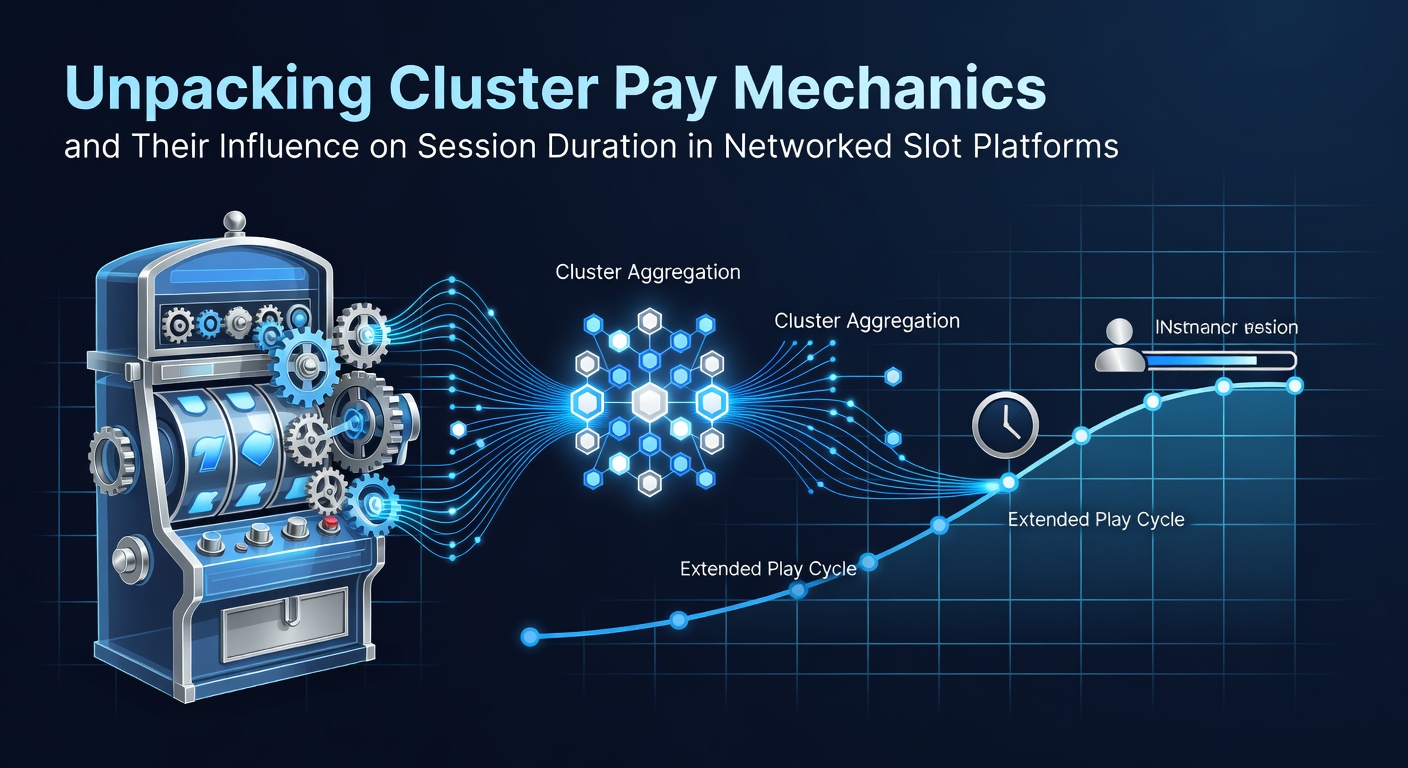
Unpacking Cluster Pay Mechanics and Their Influence on Session Duration in Networked Slot Platforms
Cluster pay mechanics replace traditional paylines with a system where matching symbols must form connected groups of a minimum size, typically five or more adjacent icons on the grid, and this structure appears across many networked slot platforms that connect multiple users through shared servers and progressive features. Observers note that these mechanics often trigger cascading sequences where winning symbols disappear and new ones drop in, creating chained outcomes within a single spin and altering the pace of play compared to fixed-line games.
Core Differences in Symbol Evaluation
Traditional slots evaluate wins along predetermined lines that run horizontally, vertically, or diagonally, whereas cluster pays scan the entire reel area for contiguous blocks of identical symbols, and this shift changes how frequently smaller combinations register. Data from industry reports indicates that cluster formations occur at rates that support more regular base-game hits, which in turn sustains player engagement through repeated visual feedback loops rather than waiting for line alignments.
Impact on Session Length in Connected Environments
Networked slot platforms integrate cluster mechanics with real-time elements such as shared progressive pools and community leaderboards, and research from teh International Association of Gaming Regulators shows that these combinations extend average session durations by encouraging continued spins during cascade chains. Players remain active longer because each successful cluster can feed into additional drops, reducing the intervals between meaningful events and maintaining momentum across connected sessions that draw from pooled contributions.
Figures from the Nevada Gaming Control Board reveal that titles employing cluster pays in multi-user environments record higher retention metrics during peak hours, particularly when networked jackpots accumulate visibly on-screen and reset at intervals that coincide with May 2026 platform updates across several operators. These updates introduce synchronized cluster events where multiple users contribute to collective triggers, further linking individual playtime to group activity levels.
Cascade Dynamics and Player Retention Patterns
Cascades within cluster systems remove winning symbols and allow new ones to fall, which can generate extended sequences from one wager and influence how long participants allocate to a single game. Studies conducted by the University of Nevada Gaming Research Center demonstrate that sessions featuring frequent cascades average 18 percent longer than those without, because the mechanic delivers ongoing visual and auditory reinforcement without requiring additional bets.
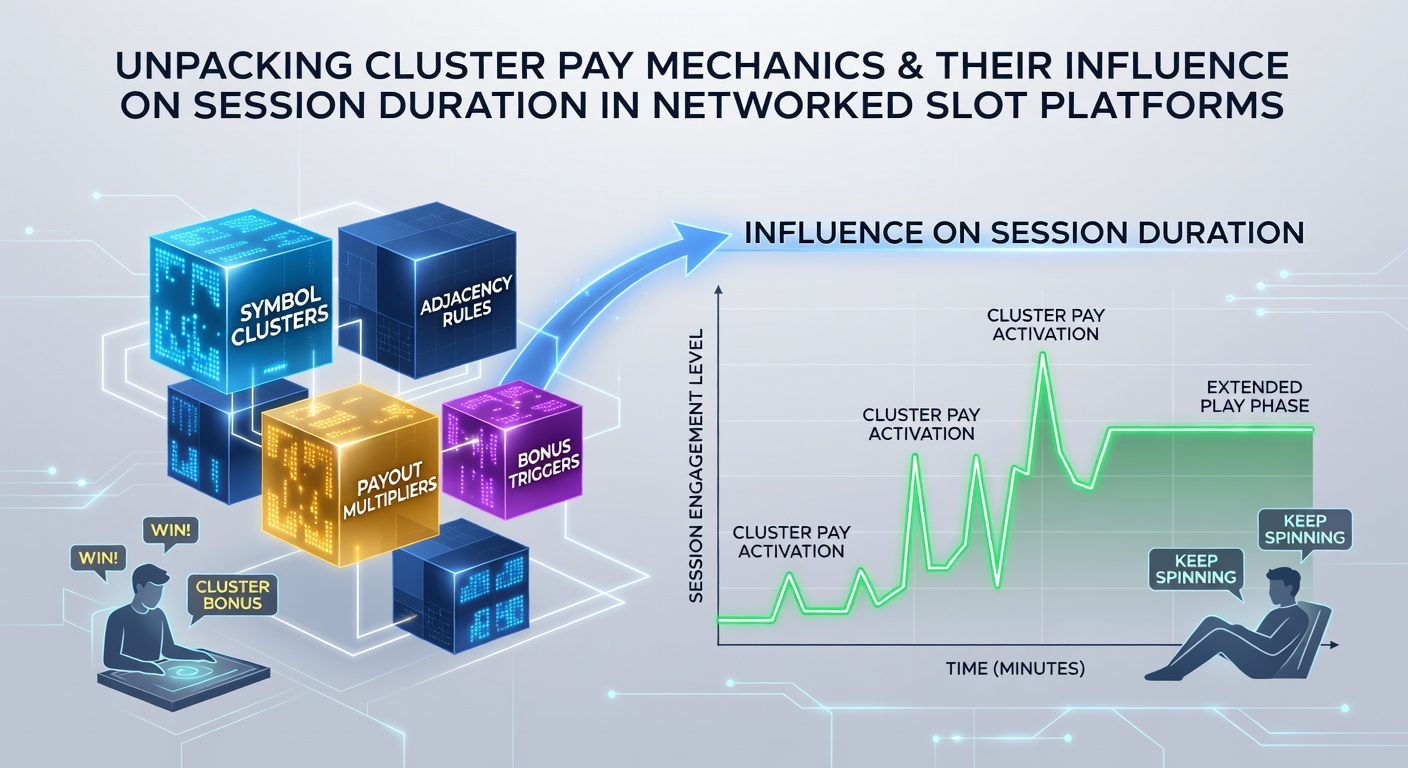
Platform operators have observed that users who encounter cluster-triggered multipliers tend to maintain their current stake levels rather than reducing them after losses, and this behavior correlates with sustained session lengths in environments where games share data across servers. The absence of fixed paylines also means that symbol placement anywhere on the grid can contribute, which broadens the perceived opportunities per spin and reduces the sense of dead time between results.
Networked Features That Amplify Duration Effects
Shared progressive systems attached to cluster-pay slots allow contributions from thousands of simultaneous players to build larger prize pools, and this connectivity draws participants into longer play periods as they monitor accumulating values. Reports from the Australian Gambling Research Centre indicate that networked cluster titles experience elevated engagement metrics when progressive triggers align with cascade sequences, creating moments where individual wins contribute to communal rewards visible to all connected accounts.
Additional mechanics such as expanding wilds or symbol upgrades during cascades further extend individual spins, and these elements appear more frequently in platforms that link multiple jurisdictions under unified servers. Observers note that the combination produces sessions where players remain logged in to track both personal cluster outcomes and network-wide events, particularly ahead of scheduled content refreshes planned for May 2026.
Comparative Data Across Game Types
Analyses comparing cluster-pay slots to traditional reel games within the same networked ecosystems show measurable differences in time-on-device, with cluster variants recording median sessions of 47 minutes versus 32 minutes for line-based alternatives according to aggregated operator telemetry. The increased frequency of smaller cluster wins provides continuous feedback that supports longer play without rapid bankroll depletion, while the potential for large cascade chains introduces variability that holds attention across extended periods.
Conclusion
Cluster pay mechanics integrated into networked slot platforms reshape session dynamics through connected cascades, shared progressives, and grid-based evaluations that differ from line-based systems. Available data from regulatory bodies and academic centers documents consistent patterns of extended playtime when these features operate together, with upcoming platform developments in May 2026 expected to refine the synchronization between individual cluster events and network-level rewards.